
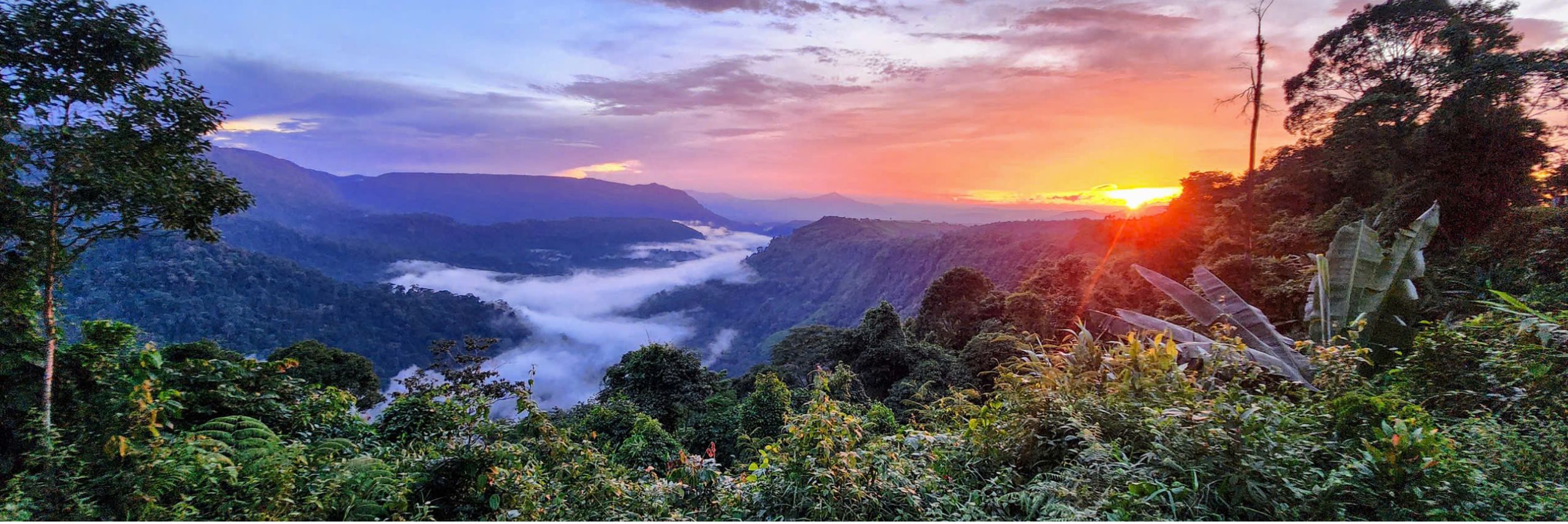

Looking to rent a motorbike in Laos but don’t know where to start? Style offers motorbike rentals between our three shops in Luang Prabang, Vientiane, and Pakse. We offer one-way motorbike rentals with helmets to work alongside your travel plans, supplemented with personalised guidance and customised routes to include more of the bits you want to see and less of the bits you don’t, to help create your ultimate motorbike adventure in Laos!
The Southern Laos motorbike routes are centred around Pakse, the gateway to the Bolaven Plateau and one of the best places in Laos to start or finish a motorbike trip. This region is known for cooler highland roads, waterfalls, coffee plantations, and relaxed riding.
These routes include the famous Bolaven Plateau / Pakse Loops, as well as scenic rides to Champasak, the Wat Phou UNESCO World Heritage Site, and Si Phan Don (4,000 Islands). Southern Laos offers a great balance between natural beauty, cultural sites, and comfortable riding conditions.
The page also includes routes that extend north toward Savannakhet and the Xe Champhone Loop, showing how Southern Laos connects seamlessly with Central Laos for longer journeys.
Southern Laos Loop
 4 Days+
 750 KM
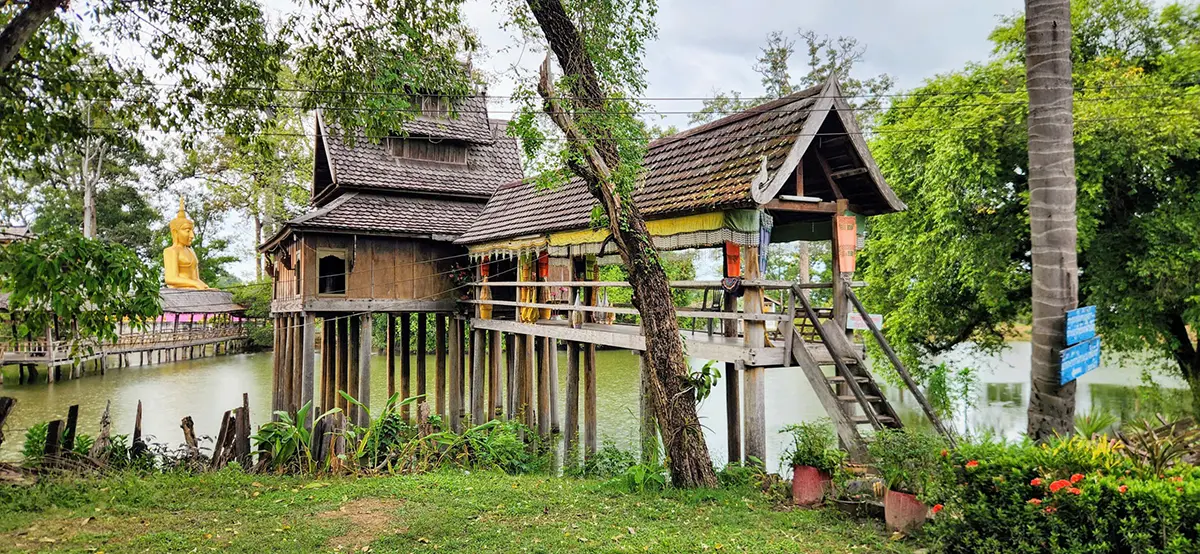
The Xe Champhone Loop is one of the most culturally rich and underrated motorbike routes in Laos. It’s ideal for riders looking to escape traffic, tourism, and busy highways, replacing them with quiet rural roads, wetlands, temples, and traditional villages.
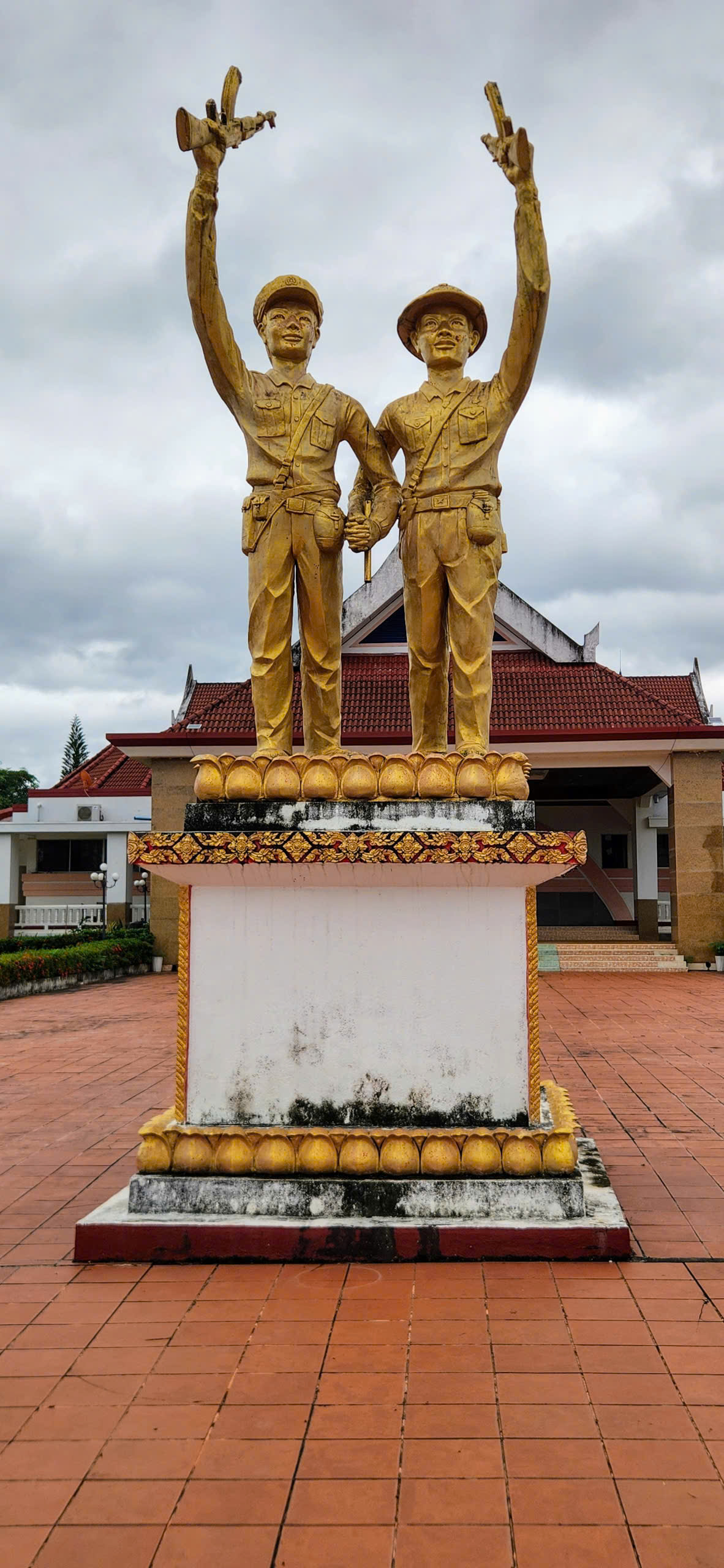
The Lam Son 719 War Museum, Laos Military Museum (also known as the Museum of Lao-Vietnam Legacy of Joined Victory Battle on the Road 9 Area) is a joint wartime museum located in Ban Dông, Laos, that details the shared history and struggle of Laos and Vietnam during the war.
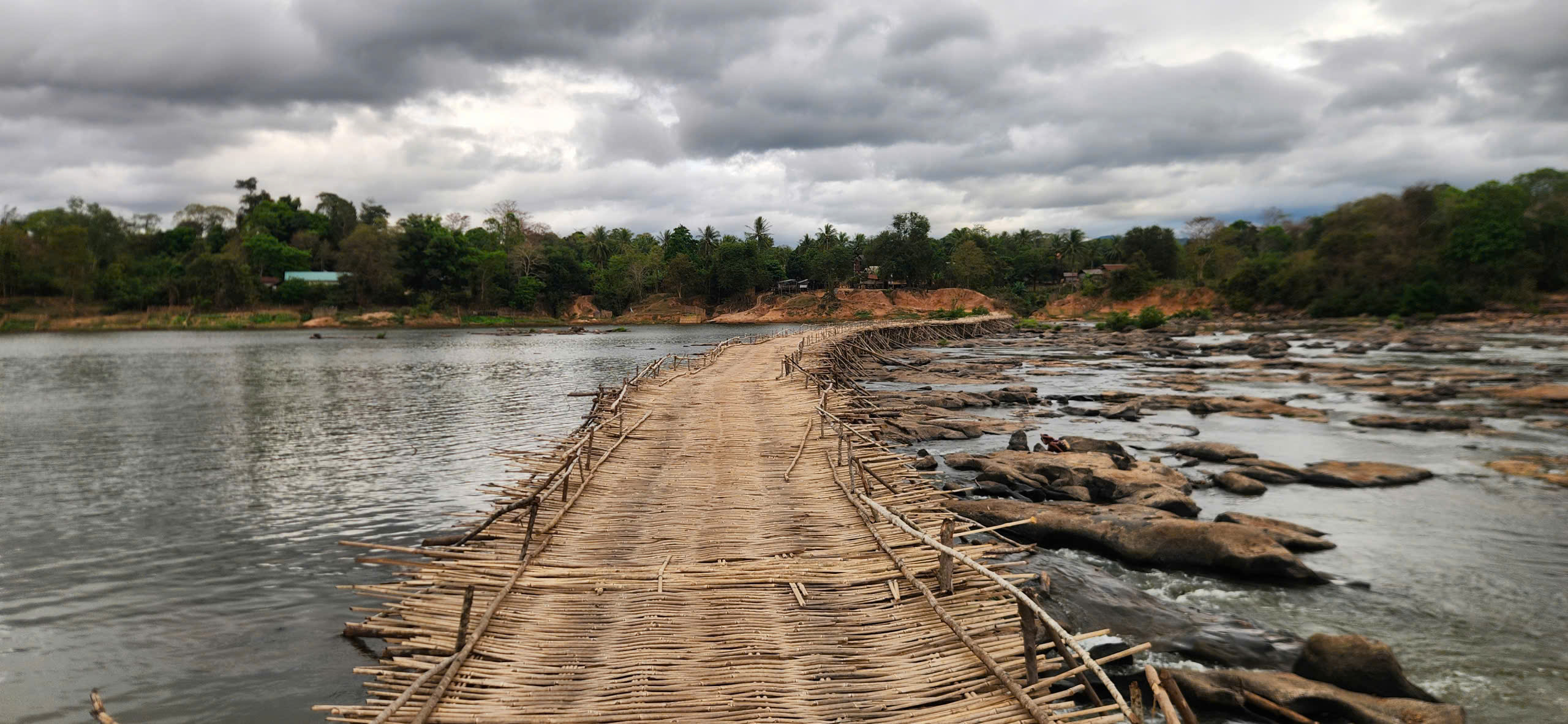
In Muang Nong, Savannakhet Province, you'll find a remarkable bamboo-surfaced bridge (often referred to as a wooden bridge) that spans the Xe Lanong River. This bridge is a vital link between Along village and the district center.
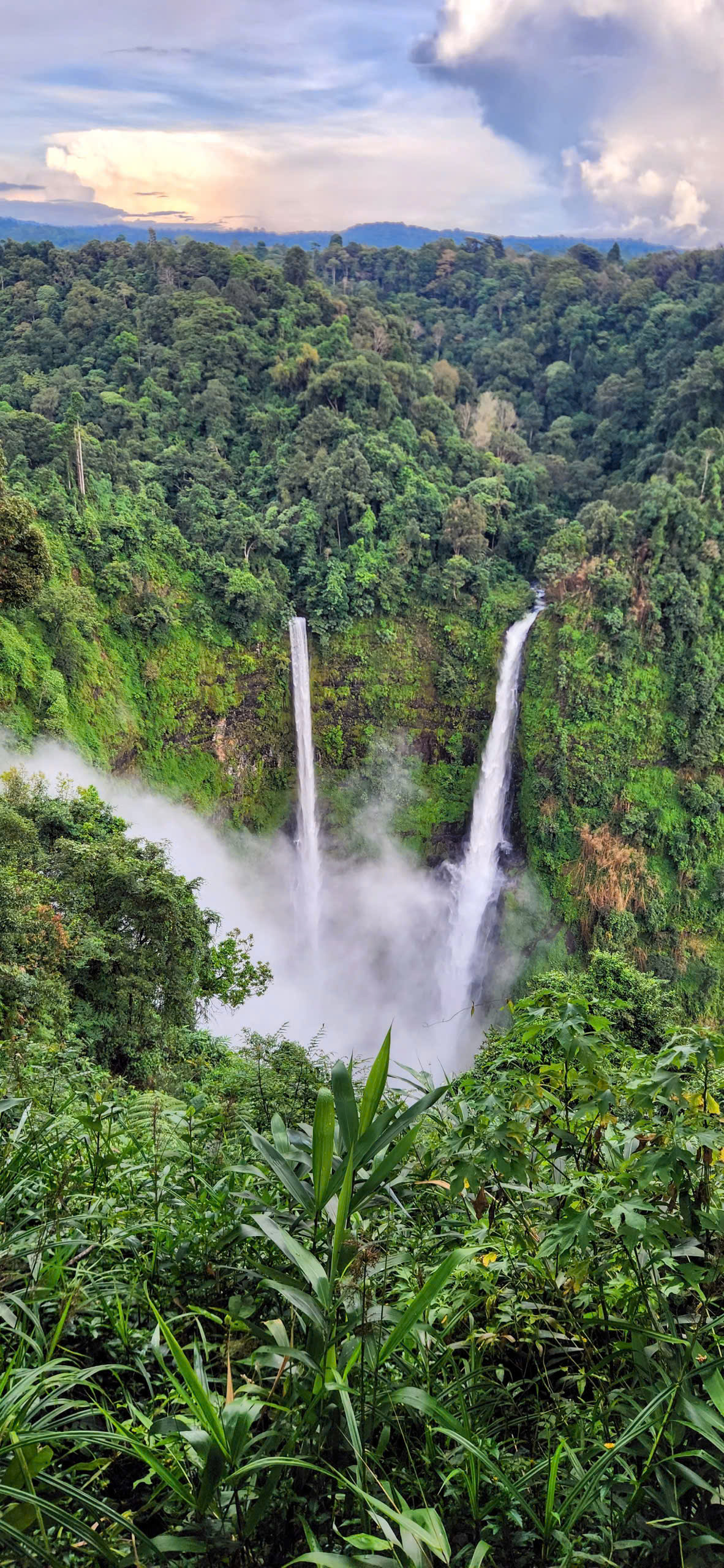
Tat Fan is one of the most spectacular waterfalls in Laos. Twin streams plunge out of dense forest and tumble down more than 120m to form the Huay Bang Lieng. The viewing point opposite the falls is a near-mandatory stop for anyone in the area.
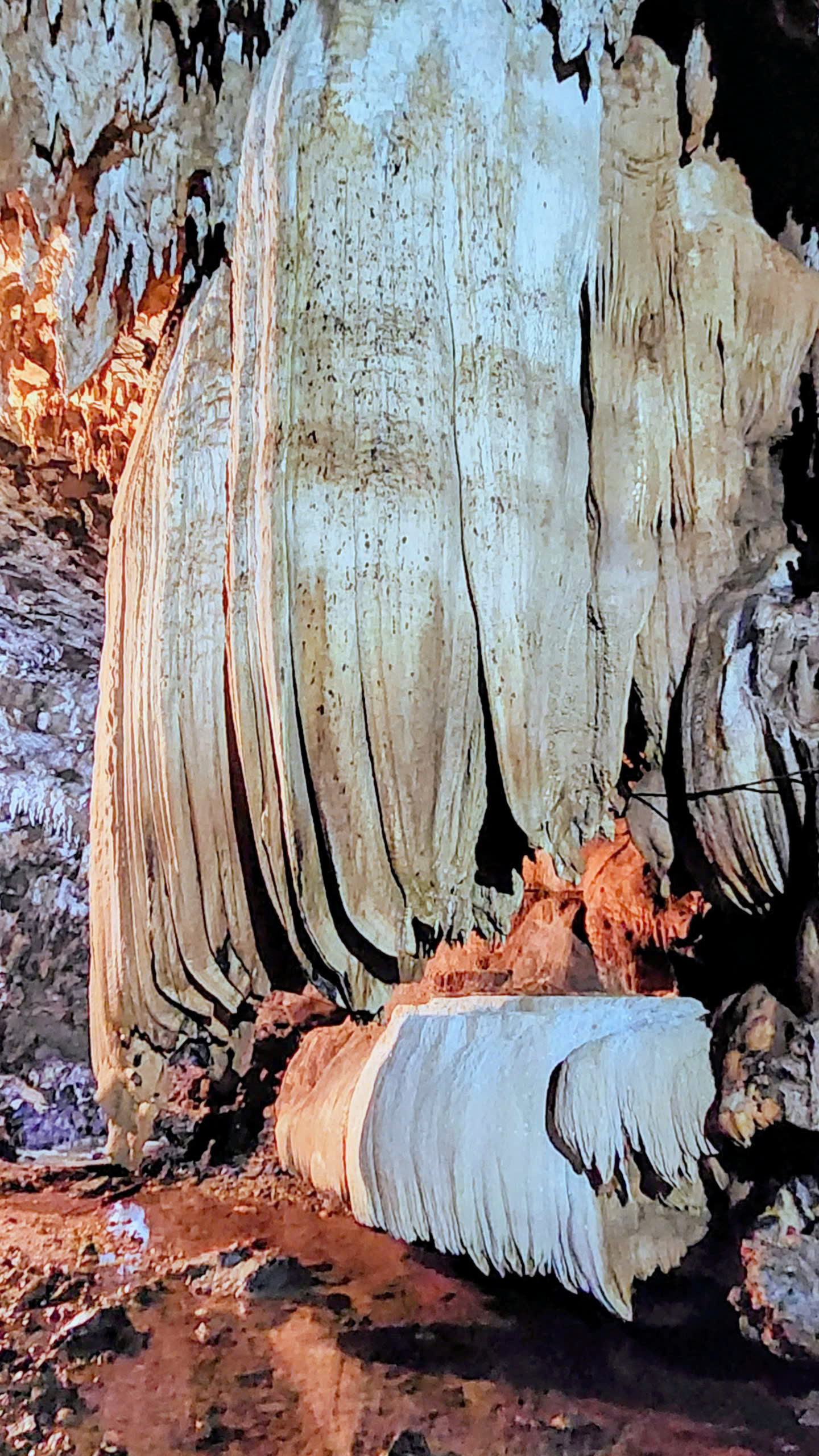
Phouphasouk Cave is a large cave complex stretching 4,630 meters, making it the longest in the area. It features a large karst mountain with intricate stalactite and stalagmite formations.
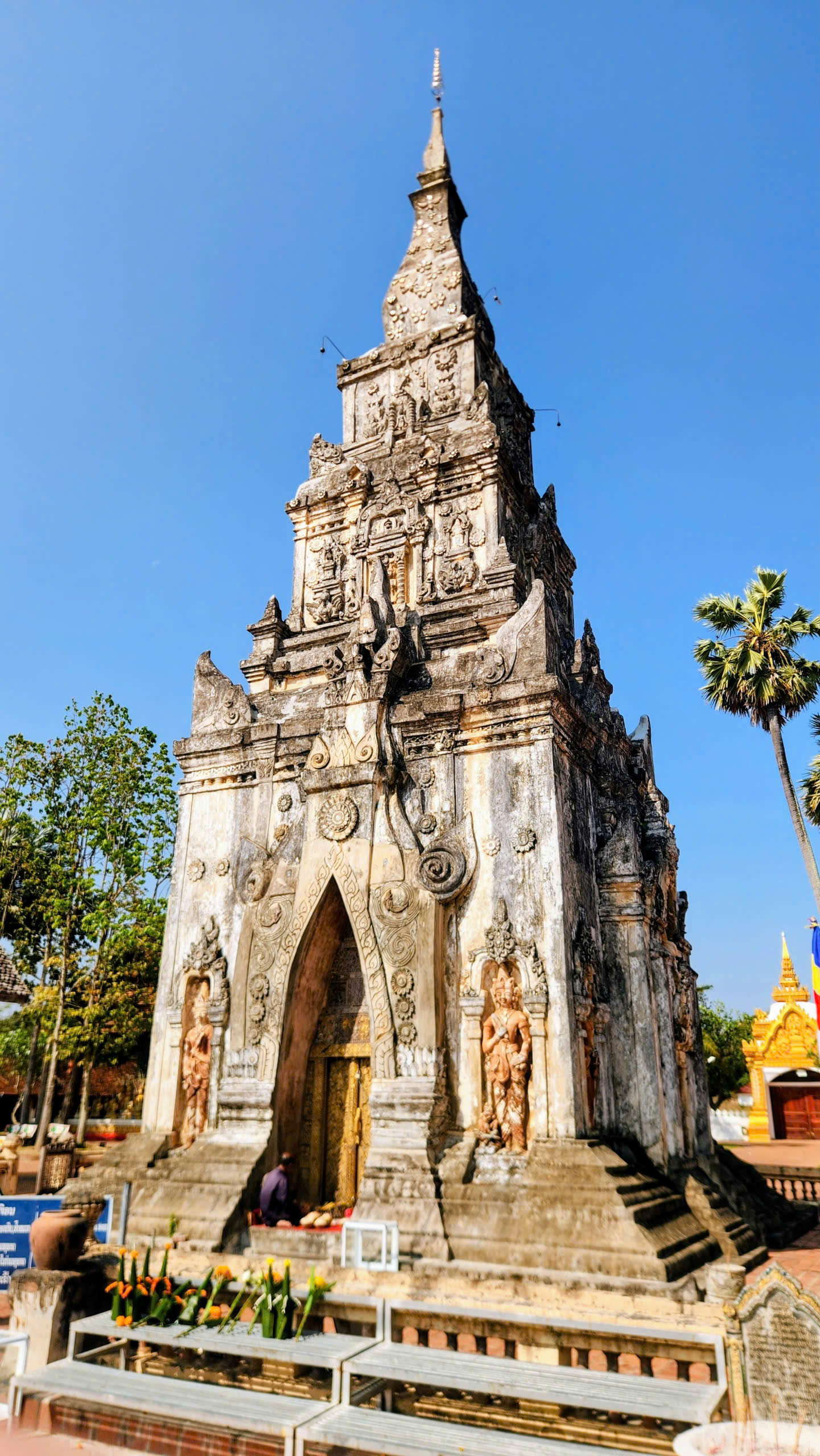
Thought to have been built in the mid-16th century, this well-proportioned, 9m-high thâat is the second-holiest religious edifice in southern Laos after Wat Phu Champasak.
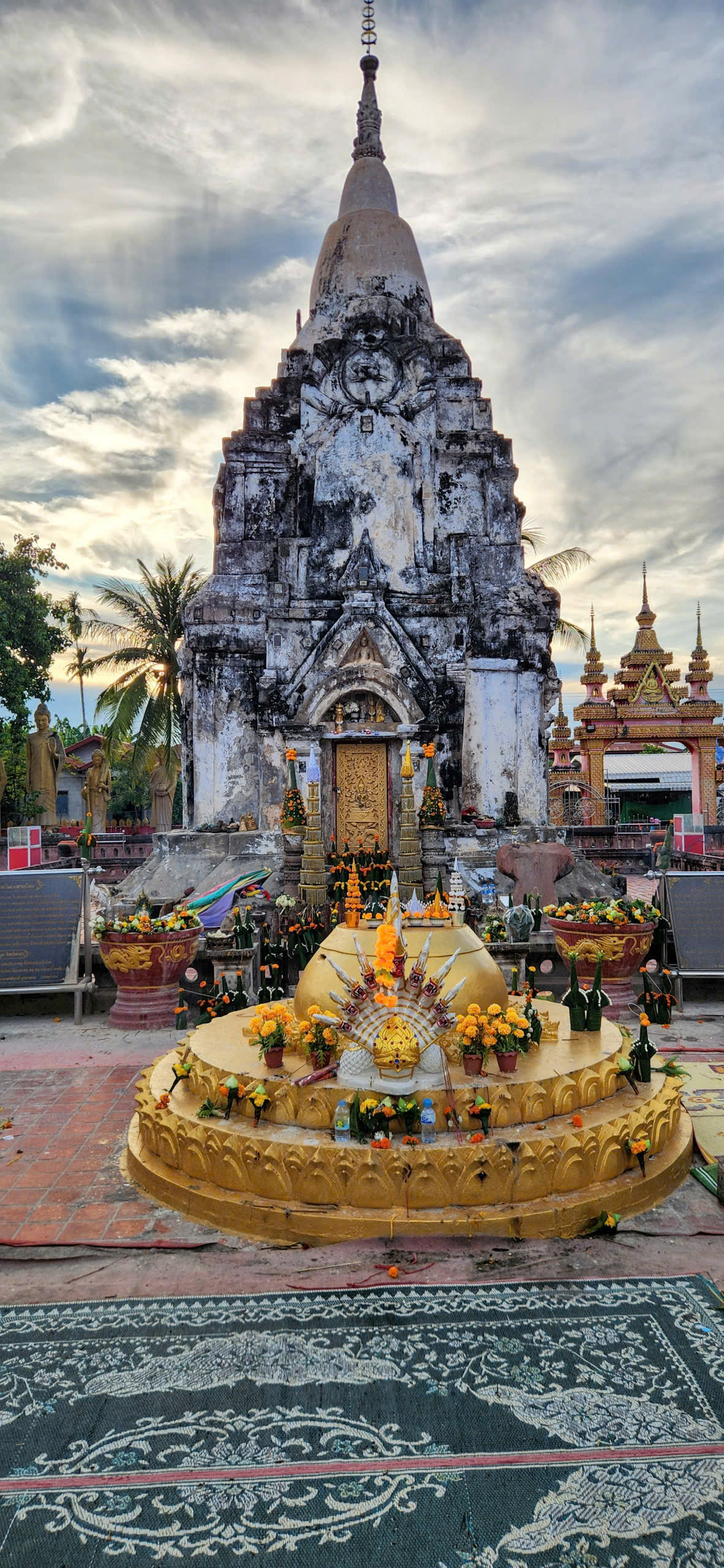
Wat Phra That Phon is a sacred Buddhist stupa and a newly designated national heritage site in Savannakhet Province, Laos. It is highly revered for its spiritual significance and unique architectural style.
The Southern Laos Loop with Style Motorbikes is one of the most diverse and rewarding motorbike journeys in the country, combining waterfalls, highland coffee regions, historic wartime routes, and authentic provincial towns into a truly immersive ride. Starting and ending in Pakse, this extended loop goes far beyond the typical Bolaven Plateau circuit, taking riders north towards Savannakhet, across historic highways, and into some of the least visited regions of southern Laos.
The ride begins with a climb onto the Bolaven Plateau, where cooler temperatures and fertile volcanic soil create the perfect conditions for Laos’ famous coffee. Quiet roads wind through plantations, small villages, and dense forest, with some of the country’s most impressive waterfalls along the way. Stops such as Tad Fane Waterfall, plunging dramatically into a deep gorge, and Tad Lo Waterfall, known for its relaxed village setting, highlight the natural beauty of the plateau while offering opportunities to swim, explore, and unwind.
Heading north, the journey passes through Salavan Province, one of the most untouched regions in the country. Here, the roads become quieter, the landscapes more rugged, and the sense of exploration stronger.
A key highlight of this extended loop is riding along Historic Highway 9, one of the most significant roads in Laos’ modern history. Once part of the Ho Chi Minh Trail network during the Vietnam War, this route carries deep historical importance while today offering a scenic and atmospheric ride through mountains, forests, and remote communities.
Heading north, the route opens up into quieter and more remote landscapes as you approach Savannakhet, a city rich in colonial architecture and Mekong riverside charm. From here, the loop becomes more adventurous, linking into the lesser-travelled Xe Champhone Wetlands region. The Xe Champhone Loop offers a completely different riding experience, with flat rural roads, wetlands and traditional villages. It’s a peaceful and authentic glimpse into rural Laos that few travellers experience.
With Style Motorbikes, the Southern Laos Loop becomes more than just a ride – it’s a fully supported adventure. With reliable bikes, detailed route guidance, riding support, and a network of assistance across the country, you have the freedom to explore these remote regions with confidence.
This is not just a loop for scenery, but for depth – combining nature, history, culture, and genuine off-the-beaten-path exploration into one of the most complete motorbike journeys in Laos.
Pakse < – > Si Phan Don (4,000 Islands)
3 Days+
320km

Ancient Khmer temple complex predating Angkor Wat.

A large waterfall with powerful rapids.

Thrilling zipline over the Li Phi waterfall.

Relaxed island known for laid-back vibe.

Southeast Asia's widest waterfall with rapids.
Riding from Pakse to Si Phan Don is one of the most relaxed and enjoyable journeys in Southern Laos. The route is well suited to riders of all experience levels, with manageable distances, simple navigation, and plenty of worthwhile stops that turn the ride into a genuine travel experience rather than just a transfer south.
The most direct option is to follow Highway 13, which runs all the way toward Si Phan Don on the Eastern bank of The Mekong.
Leaving Pakse, you head toward Champasak, quickly escaping the city and settling into an easy rhythm along open roads, rice fields, and Mekong-side villages. It’s straightforward riding, though once you pass Champasak the road surface on the west side of the Mekong becomes rougher and slower, encouraging a more relaxed pace rather than fast cruising.
A stop in Champasak is highly recommended. Just outside town lies Vat Phou, the UNESCO World Heritage-listed Khmer temple complex and one of the most important historical sites in Laos. Riding out to Wat Phou and walking up through its ancient terraces is a highlight of the journey, offering peaceful surroundings, sweeping views, and a strong sense of history that contrasts beautifully with the simplicity of rural southern Laos.
Close by is That Sam Pang, a rare and often-overlooked site featuring three ancient Khmer towers. These weathered ruins hint at the historical reach of the Khmer Empire into southern Laos and make for a fascinating, quiet stop away from the more visited attractions.
There are a few cross river ferries to get you back onto Highway 13 and it’s sealed surface.
A worthwhile detour is Nong Bueng Wooden Sculpture Park, a unique and creative space filled with hand-carved wooden statues depicting Buddhist themes, folklore, and local stories. It’s an unexpected stop that adds a cultural and artistic layer to the ride and reflects the individuality found throughout southern Laos.
Nearby, and well worth a detour, is Vat Phou Asa. This lesser-known Khmer-era site sits on a hill above the Ban Kiat Ngong wetlands and is reached via rougher roads and a short walk. The ride out adds a touch of adventure, and the reward is a tranquil setting, atmospheric ruins, and panoramic views with almost no other visitors.
Continuing south, the road winds through quiet villages, riverside scenery, and stretches of countryside where daily life unfolds slowly. This section of the ride feels increasingly remote and unhurried, setting the tone for what’s to come. As you approach Si Phan Don, several important stops add depth to the journey.
One of the major highlights is Khone Phapheng Waterfall, the largest waterfall by volume in Southeast Asia. While not a swimming waterfall, its sheer power and scale make it an impressive stop, and riding out here offers a dramatic change in scenery as the Mekong narrows and surges through rocky channels.
Reaching Si Phan Don, the pace slows even further. Once you leave the main road and take the ferry, motorbike travel gives way to island life. Don Det offers a more social atmosphere with cafés and guesthouses, Don Khon is quieter and known for waterfalls, colonial remnants, and peaceful cycling roads, while Don Khong, the largest island, feels the most traditional, with local villages and calm riverside stays. Beyond these, countless smaller islands remain largely untouched, adding to the sense of remoteness and calm that defines the region.
With a relaxed riding style, cultural stops at Champasak, Wat Phou, Vat Phou Asa, Khone Phapheng Waterfall, and lesser-known historical and artistic sites along the way, the ride from Pakse to Si Phan Don becomes a scenic, meaningful journey through Southern Laos. It’s the perfect way to wind down a motorbike trip and ease into one of the country’s most peaceful and memorable destinations.
Champasak & Vat Phou
1 Day
85KM (Vat Phou) - 120KM (That Sam Pang) Round Trip
Vat Phou, Laos’ second UNESCO World Heritage Site - dating from between the 11th and 13th centuries, sits in the shadow of a holy mountain shaped like a linga.
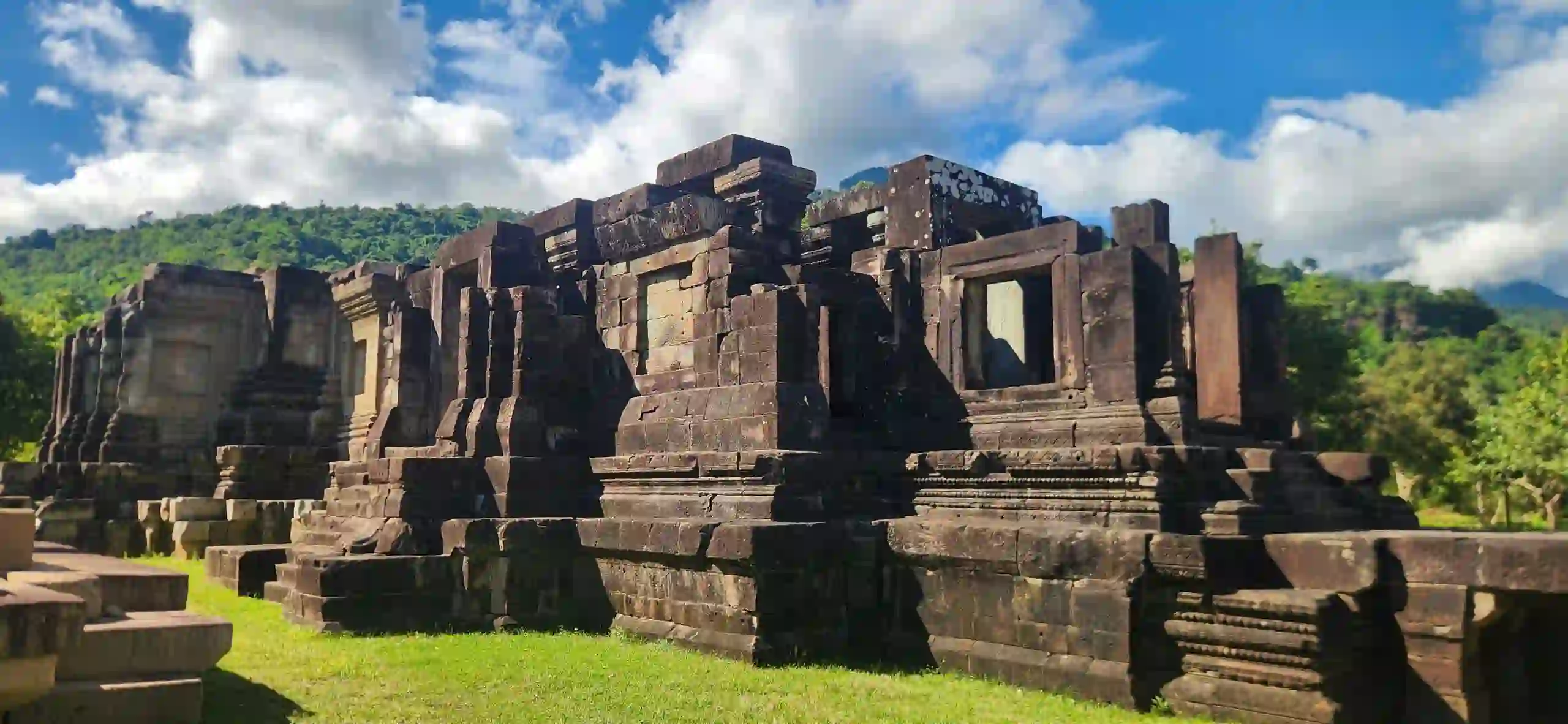
A short ride south of Wat Phou along what was the royal road connecting this area to Angkor.
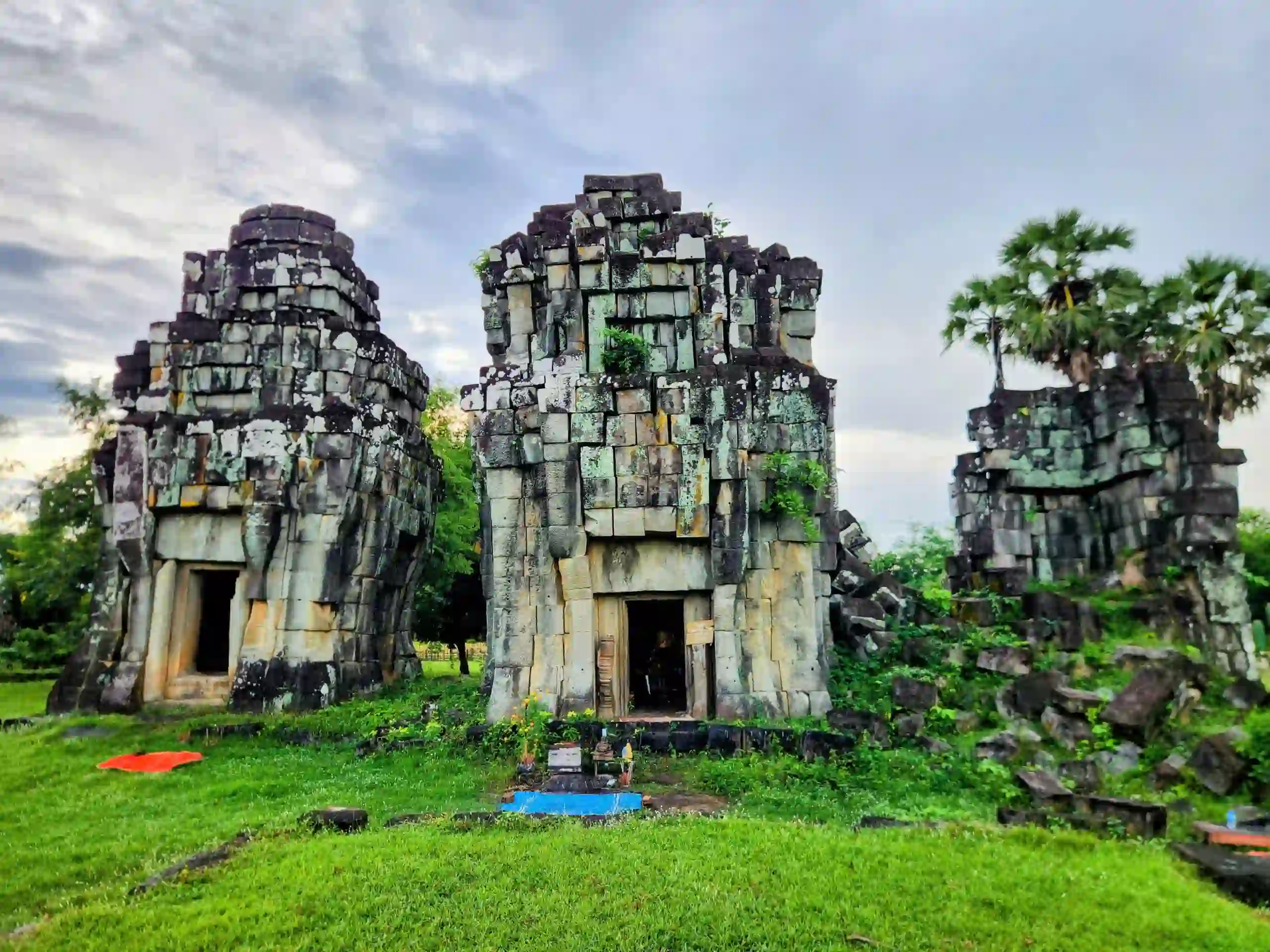
This site is unusual as it is composed of three stupas in quite good condition.
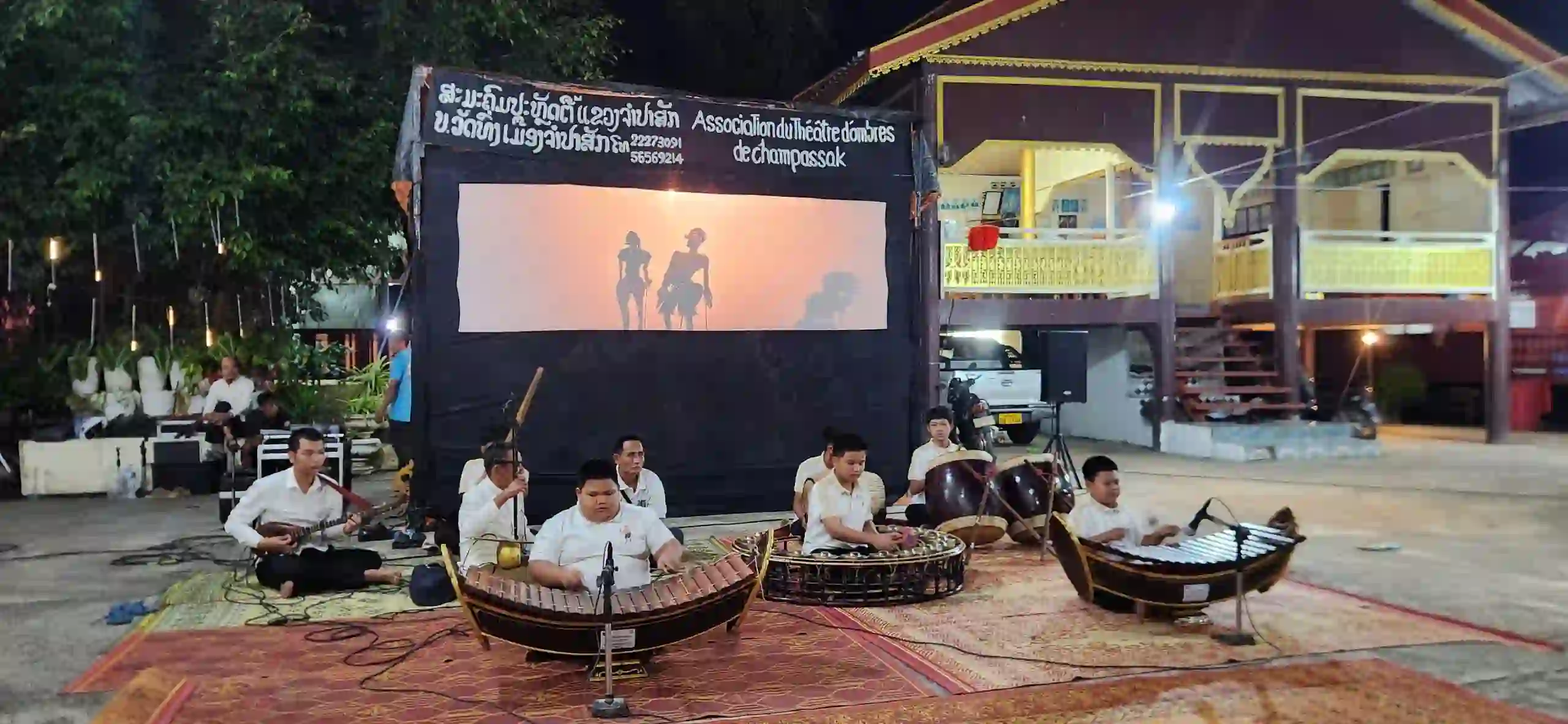
The Champasak Shadow Puppet Theatre in Southern Laos revives an ancient tradition with intricate leather puppets telling Laotian tales.
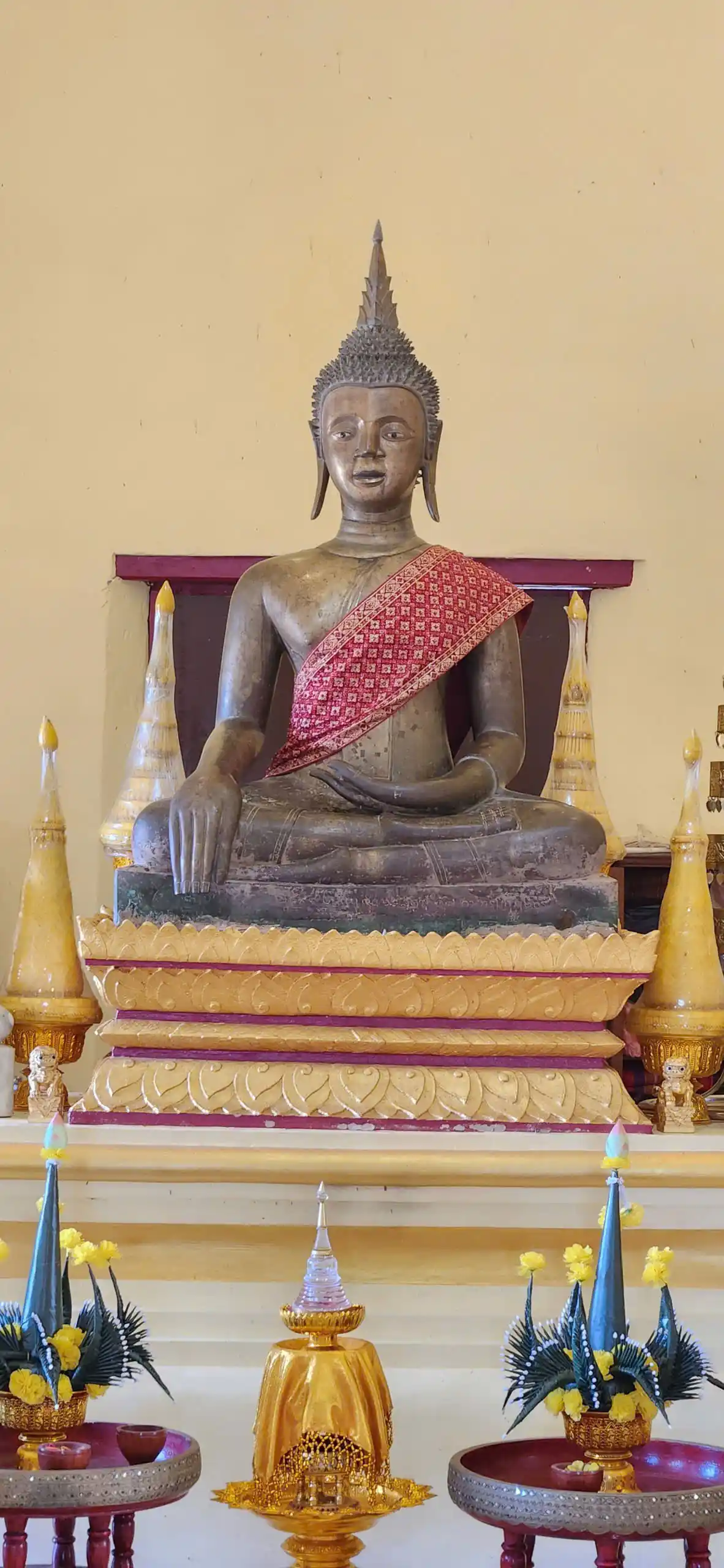
Wat Pho Xay is famous for the Pha Si Ho, a sacred rock that was discovered in 1962 on the grounds of the temple, buried underneath a large tree.

Situated on the Mekong's west bank, with a quiet riverfront, resorts, and agricultural surroundings.
The Champasak Wellness Space offers focused, non-residential spiritual retreats, primarily meditation-based
Set in beautiful natural surroundings at the base of Phou Kao mountain, Vat Phou, the ancient Khmer temple complex and UNESCO World Heritage Site, is the main highlight of the area. Exploring the terraces and stone pathways offers a peaceful and atmospheric experience, but the appeal of Champasak goes well beyond the temple itself.
Staying in the laid-back riverside town of Champasak is highly recommended. Here, riders can slow the pace and enjoy wandering past French colonial buildings, local Buddhist temples, and quiet streets that feel far removed from the busier parts of Laos. Evenings are best spent unwinding at the Shadow Puppet Theatre, enjoying riverside dining, or treating yourself to a relaxing massage after days on the road.
For something a little different, take a short boat ride across the Mekong to Don Daeng, a peaceful island where time seems to move even slower. Cycling through the island’s villages and farmland offers a gentle insight into local life and makes for a perfect contrast to the riding days before. Together, Vat Phou, Champasak, and Don Daeng create a calm, culturally rich stop that fits perfectly into any Southern Laos motorbike journey.
The Four Sisters Waterfall Area
1 Day
90KM Round Trip
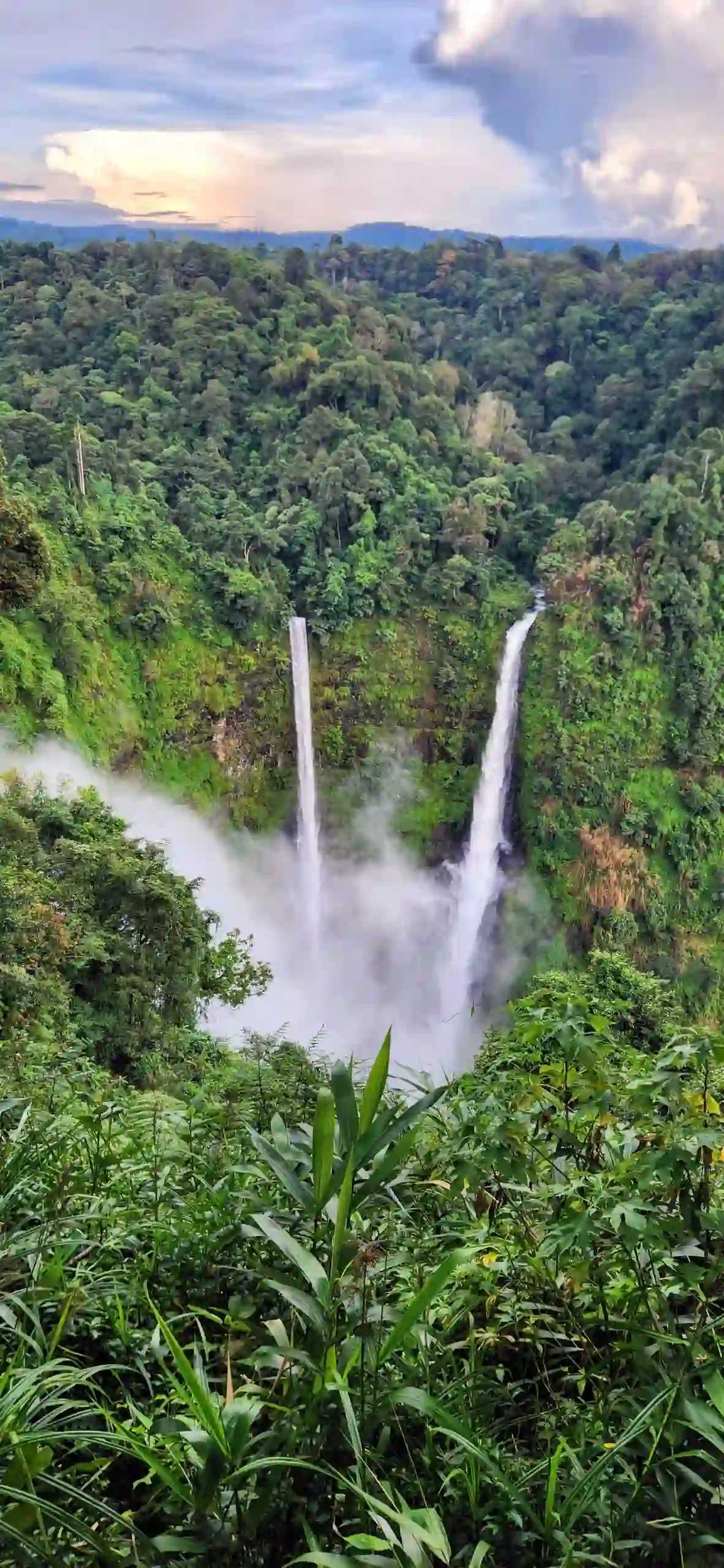
The most famous of The Four Sisters, featuring twin falls plunging into a large crater.
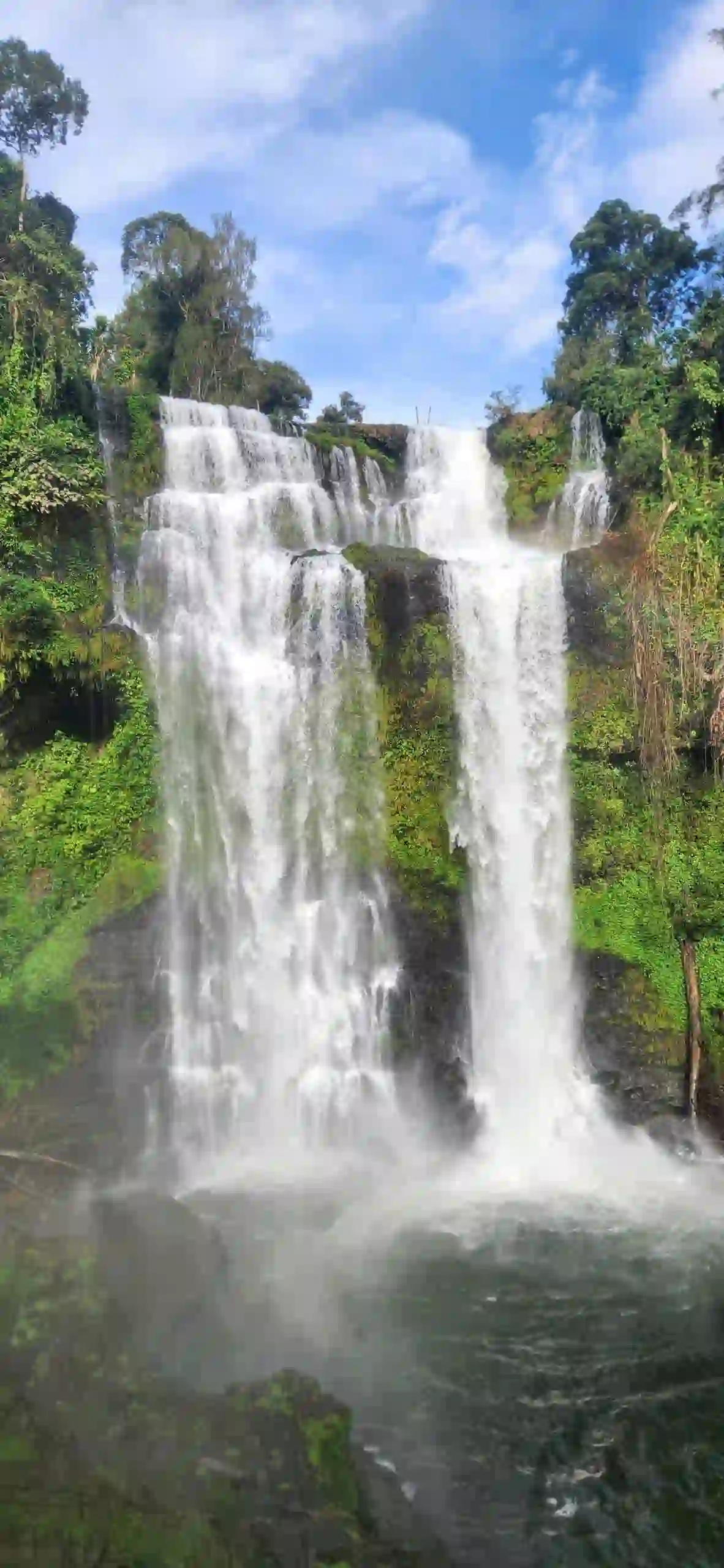
A beautiful set of falls with accessible viewpoints at both the top and bottom.
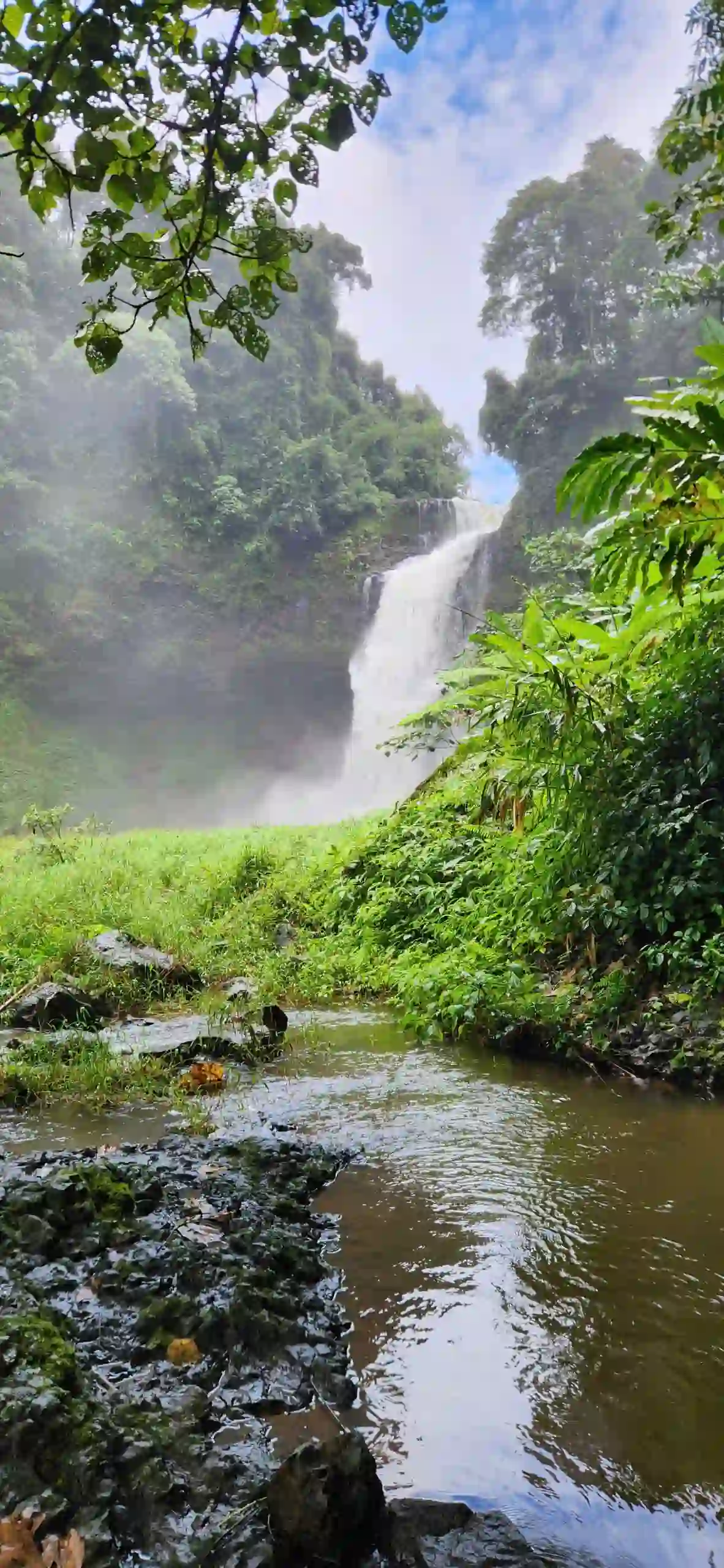
This waterfall is for the more adventurous traveler and requires some walking to reach.
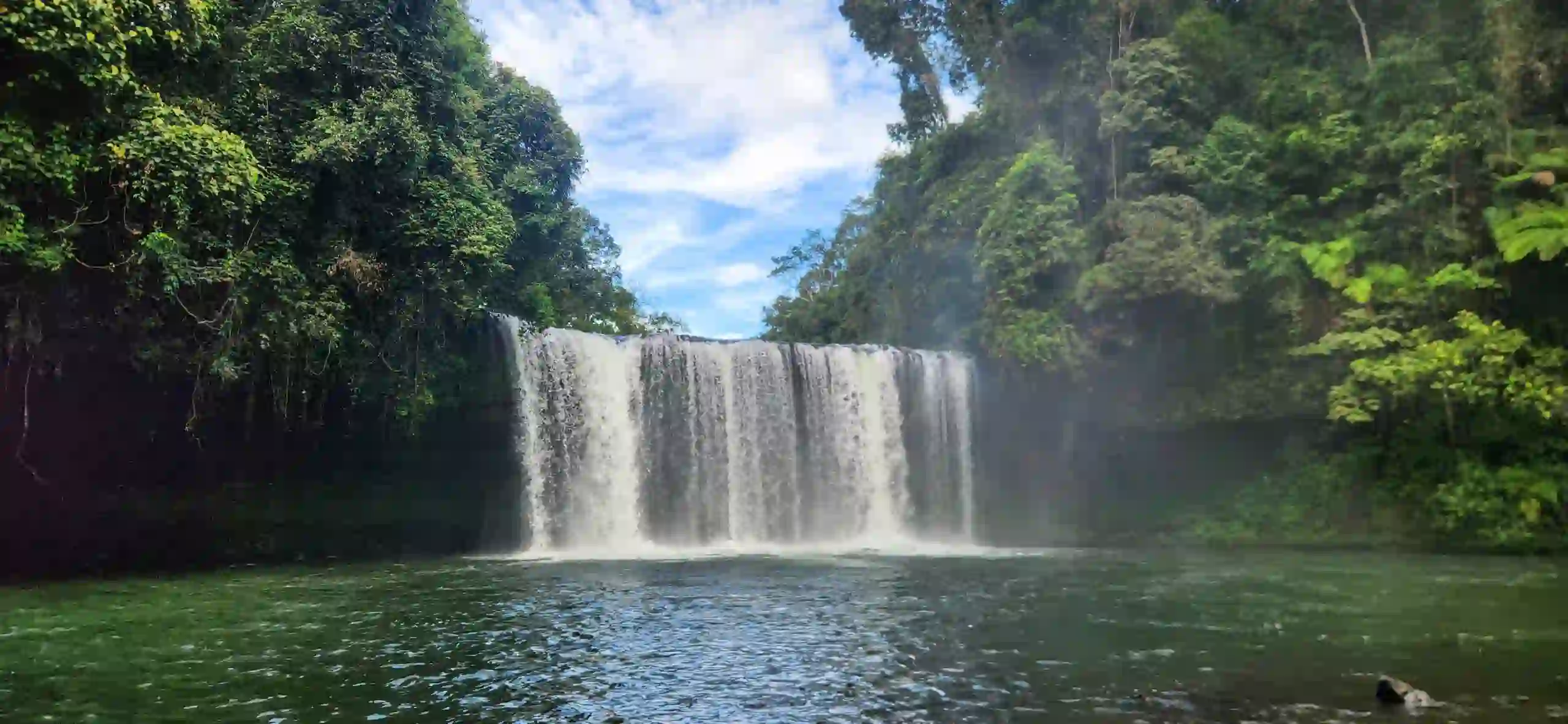
A serene waterfall with a swimming hole, ideal for relaxing and picnics.
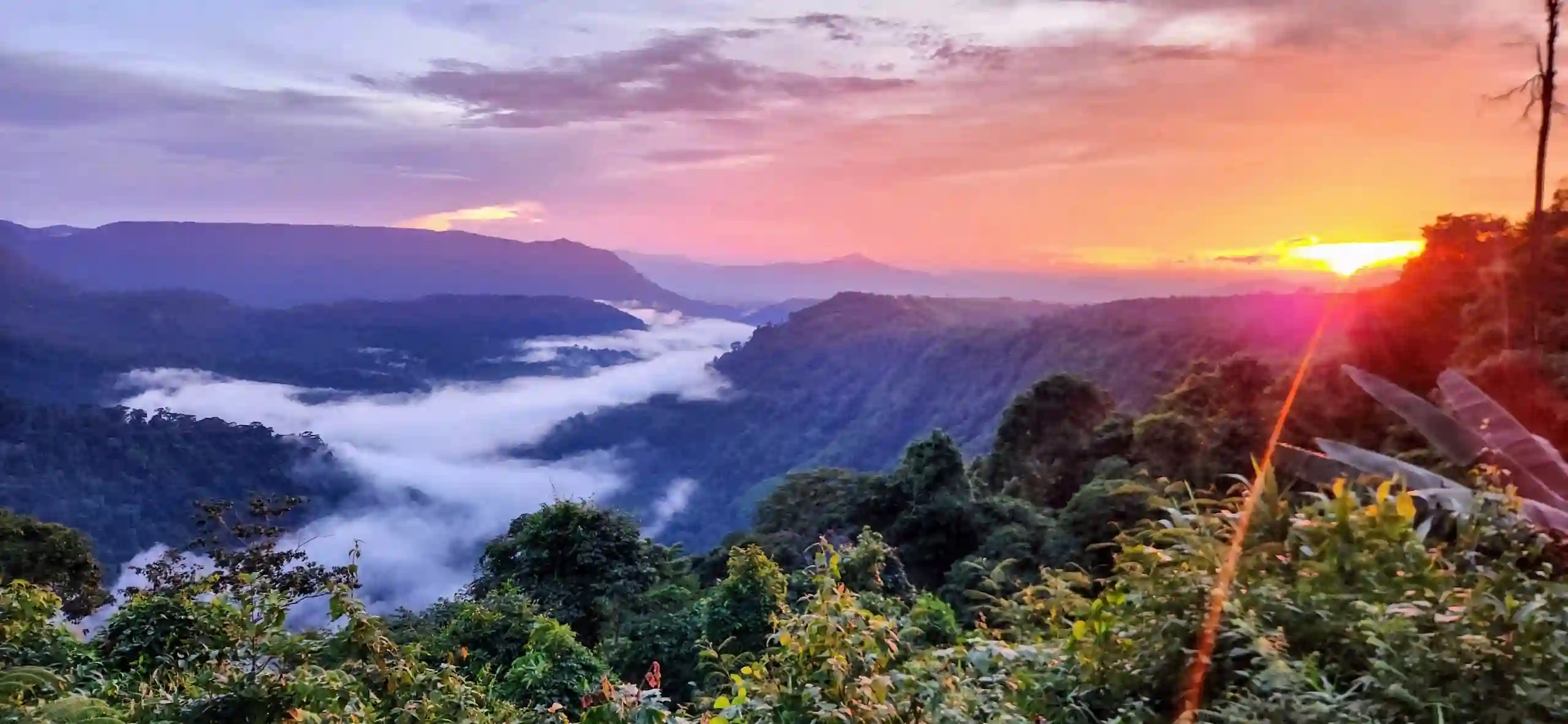
Beautiful viewpoint
The Four Sisters Waterfalls are one of the most iconic highlights of the Bolaven Plateau, and a must-see for anyone riding the famous Bolaven Plateau Loop. Each waterfall has its own character, making this area perfect for breaking up riding days and exploring on foot.
Tad Fane is the most dramatic of the group, with two powerful waterfalls plunging side by side into a deep jungle gorge. It’s one of the most photographed spots on the plateau and also home to a zip-line that crosses the canyon for those wanting a bit of adrenaline. Nearby, Tad Gneuang (often called Tad Yuang) offers towering cascades, excellent viewpoints, and one of the best swimming spots in the region, making it a favourite stop for riders looking to cool off.
Tad Champee is quieter and more relaxed, with a wide pool at the base that’s ideal for swimming and picnics, while Tad E-Tu rewards more adventurous riders with a less-visited, hidden feel and a stronger sense of exploration. Together, the Four Sisters sit among lush jungle and coffee plantations, showcasing the natural beauty and cooler climate that make the Bolaven Plateau such a standout riding destination in Southern Laos.
Xe Champhone Loop (Savannakhet Loop)
1-2 Days
260km
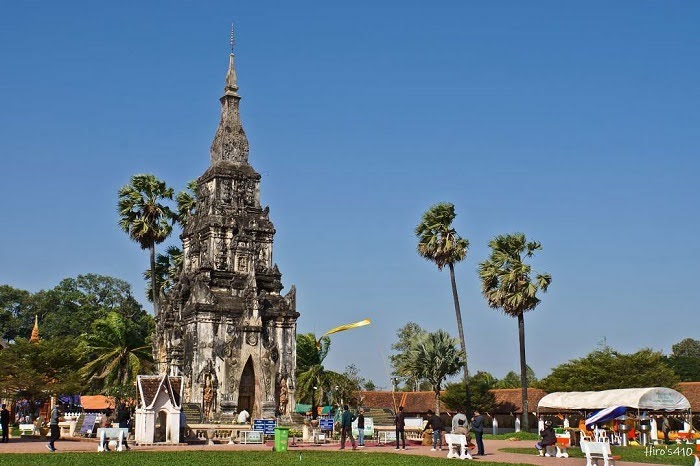
That Ing Hang is a deeply sacred Buddhist stupa.
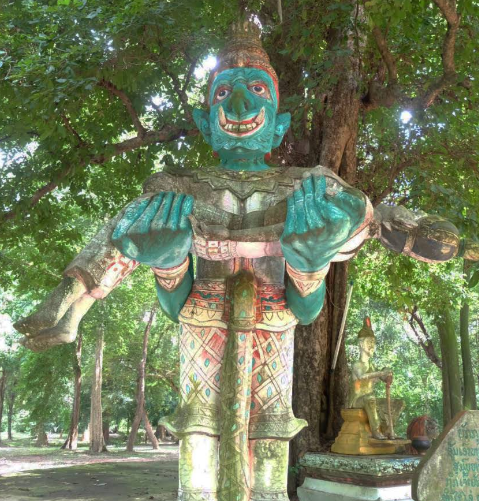
A unique Buddhist temple with depictions of Buddhist Hell
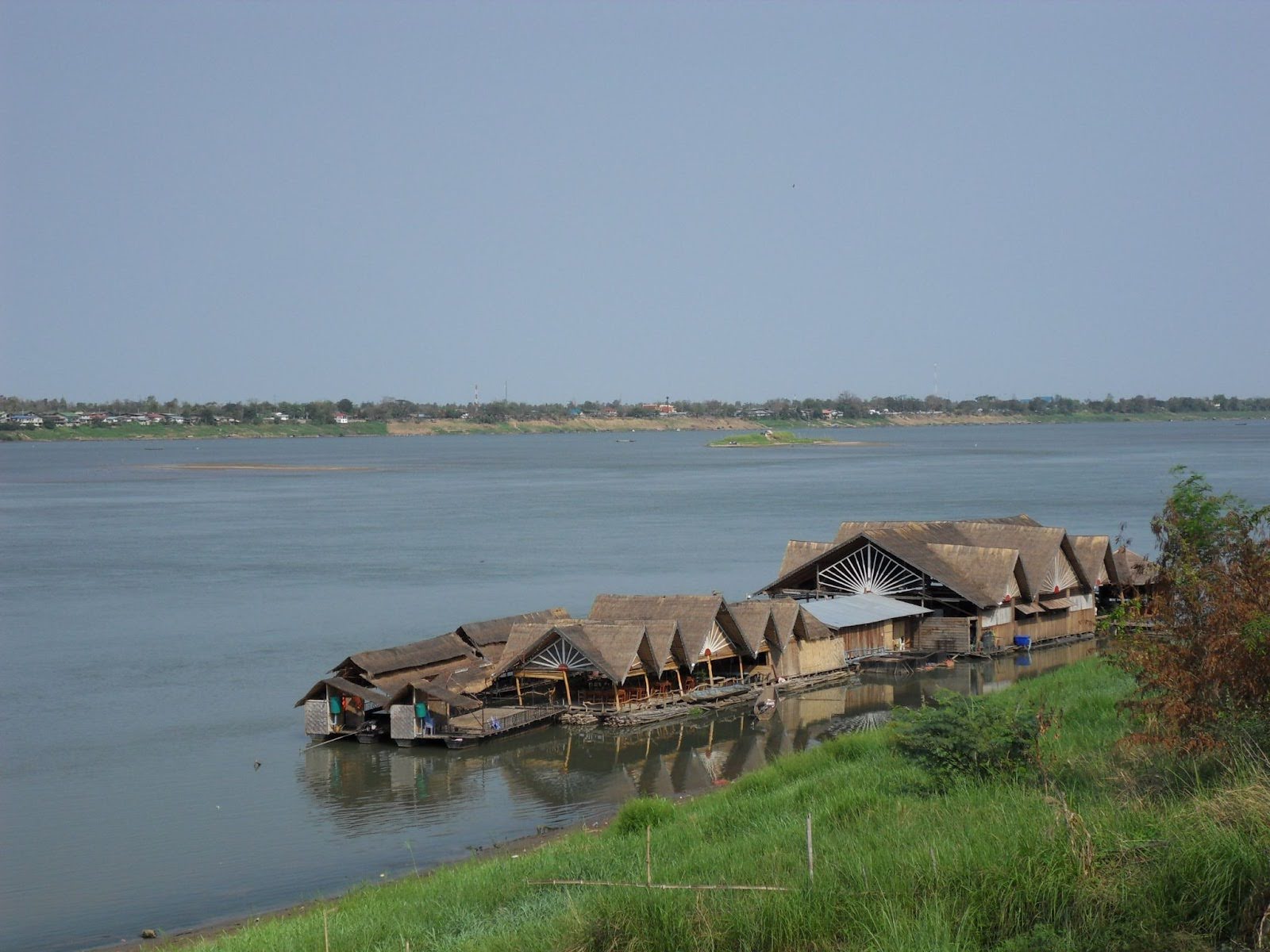
A large reservoir with restaurants and swimming.

A forest with wild macaque monkeys you can visit and feed.
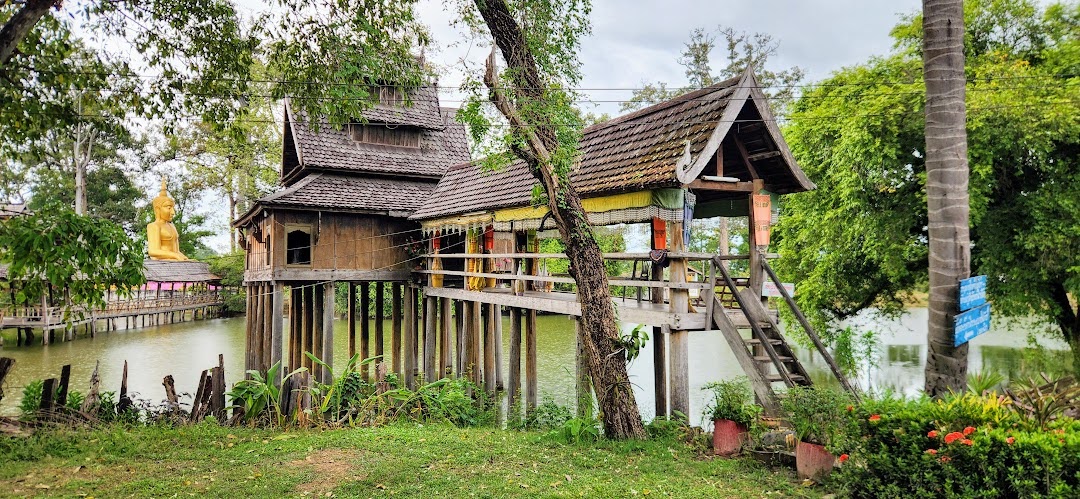
A unique 17th Century stilted library over a lake.
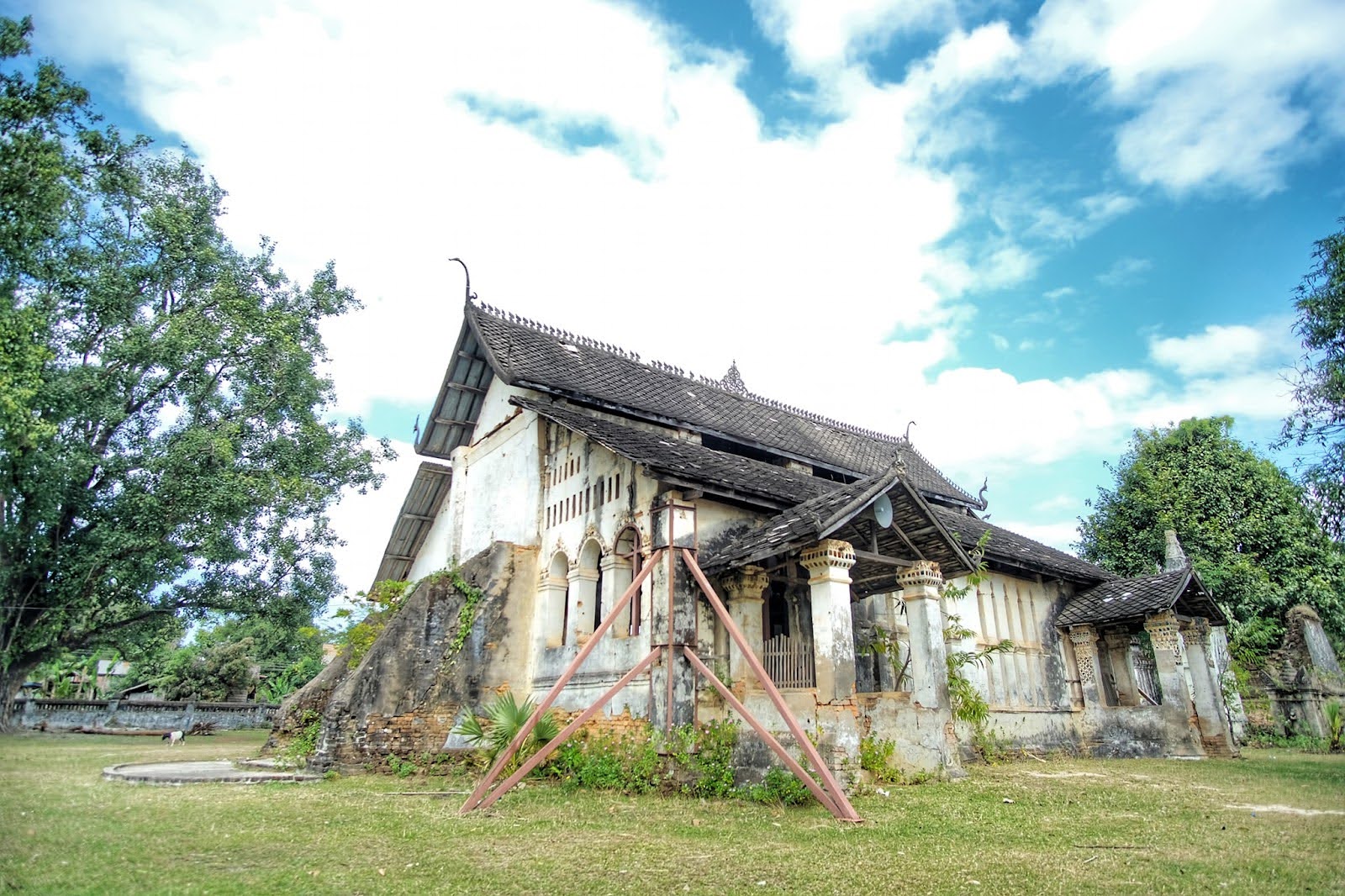
A 100 years old temple nearly destroyed by US bombing.
The Xe Champhone Loop is one of the most culturally rich and underrated motorbike routes in Laos. It’s ideal for riders looking to escape traffic, tourism, and busy highways, replacing them with quiet rural roads, wetlands, temples, and traditional villages. The loop can be comfortably completed in one full day if you start early, but many riders choose to ride it over one or two days to slow things down and enjoy the cultural depth along the way. With very little traffic and generally relaxed road conditions, the ride feels calm, immersive, and distinctly different from Laos’ more famous loops.
Unlike the mountainous routes of northern Laos, the Xe Champhone Loop flows through flat countryside, rice fields, lakes, and wetlands, making the riding easy and enjoyable. The focus here is less on technical riding and more on discovery, with frequent opportunities to stop, explore, and connect with places that most travellers never see.
Wat Phoukor & the Buddhist Hell
One of the most striking stops along the Xe Champhone Loop is Wat Phoukor. Riding through quiet villages to reach the temple sets the tone for what makes this loop special. The site is best known for its large reclining Buddha, but it’s the Buddhist Hell (Naraka) sculptures that leave the strongest impression.
These dramatic figures depict the consequences of immoral behaviour according to Theravada Buddhist beliefs and create a powerful contrast with the peaceful landscape outside. Visiting Wat Phoukor mid-ride adds depth to the journey and highlights how closely religion, daily life, and rural Laos are connected.
Taleo Old Temple
The ride to Taleo Old Temple takes you deeper into Savannakhet province, where roads narrow and villages become smaller and more traditional. This part of the loop feels timeless and untouched, with little sign of modern tourism.
Built in the early 19th century, Taleo Old Temple was heavily bombed during the Vietnam War due to its proximity to the Ho Chi Minh Trail. Riding through this area and stopping at the temple gives real context to Laos’ history. The ruins, combined with the quiet surroundings, make this a reflective and meaningful point on the loop.
Hotay Pidok Library – Ancient Buddhist Manuscripts
The Hotay Pidok Library in Ban Nong Lam Chan is one of the most culturally important stops on the Xe Champhone Loop. Reached via small rural roads, it feels like a genuine discovery rather than a planned attraction.
Inside, ancient palm-leaf manuscripts written in Pali, Lao, and Khmer are preserved, covering Buddhist teachings, traditional medicine, and local history. For riders, this stop reinforces why travelling by motorbike is so rewarding – you can reach deeply cultural places, spend time learning, and continue riding with a richer understanding of the region.
Turtle Lake & Sacred Wetlands
The ride to Turtle Lake (Nong Kham) passes through peaceful wetland landscapes and small farming communities. This section of the loop is especially relaxing and highlights the slower rhythm of life in central Laos.
Turtle Lake is home to rare softshell turtles, protected by local spiritual beliefs. Watching the turtles surface while locals and monks make offerings is a powerful reminder of how nature and religion are intertwined here. It’s an ideal place to slow the pace of the ride and appreciate the calm that defines this loop.
Soui Lake, Monkey Forest & Phu Thai Villages
Soui Lake is one of the most scenic stretches of the Xe Champhone Loop, surrounded by wetlands and open countryside. It’s a natural place to pause and take in the surroundings while enjoying local food from lakeside restaurants.
Nearby, the Monkey Forest in Ban Dong Muang is home to long-tailed macaques that roam freely around the village and temple. Riding through the village offers a unique glimpse into how wildlife and daily life coexist.
The loop also passes through several Phu Thai villages, where traditional weaving, indigo dyeing, and strong cultural identity remain part of everyday life. Riding slowly through these communities is essential, not just for safety, but to fully appreciate the people, crafts, and traditions that define this part of Laos. The surrounding wetlands are also one of the last natural habitats of the critically endangered Siamese crocodile, adding ecological significance to the route.
The Xe Champhone Loop is about flow, freedom, and cultural immersion. It’s not physically demanding, but it’s deeply rewarding. The combination of quiet roads, easy riding conditions, and frequent cultural landmarks makes it ideal for riders who want to slow down and experience Laos beyond the usual highlights.
Typically ridden over 1–2 days, this loop works perfectly as a standalone ride or as part of a longer north–south journey. For riders who value authenticity, history, and relaxed riding over speed and distance, the Xe Champhone Loop offers one of the most memorable and underrated motorbike experiences in Laos.
Bolaven Loop (Pakse Loop) Extended
6+ Days
490km + 92km optional
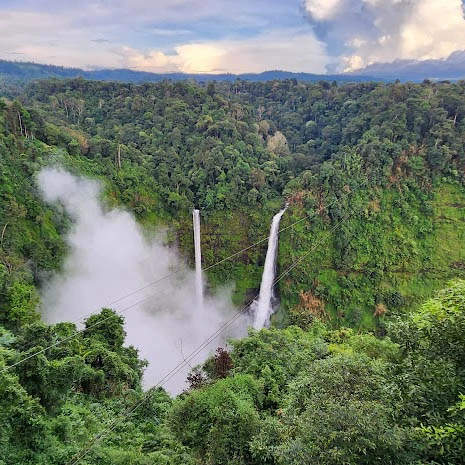
4 picturesque and unique waterfalls with stunning views.
Ancient Khmer temple complex predating Angkor Wat.
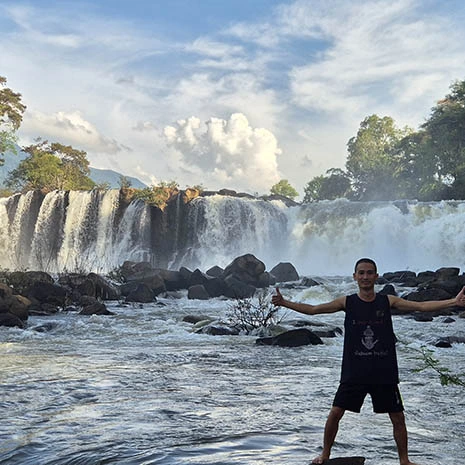
3 waterfalls close together with good views and swimming.
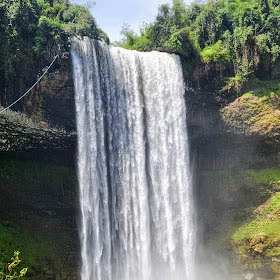
Nearby is a group of waterfalls with great views.

A scenic 23m waterfall with dirt road access.

A stunning viewpoint looking over mountains.
The Bolaven Plateau Extended Loop is the largest and most adventurous motorbike route in Southern Laos, created for riders who want to push well beyond the standard Bolaven Plateau Loop. This is a true off-the-beaten-path journey, best suited to experienced riders looking for remote landscapes, challenging riding conditions, and a deeper connection with rural life in Laos.
Riding this loop is demanding and often slow. Expect long dirt sections, broken surfaces, river crossings in places, and very limited services once you leave the main plateau. Fuel, food, and accommodation options can be sparse, so good preparation and confident riding skills are essential. Because of the remoteness, this route is best tackled with a solid plan and ideally in a small group. Out here, help can be hard to find – but that isolation is exactly what makes the experience so special.
For those willing to take on the challenge, the rewards are immense. The extended loop winds through quiet countryside, isolated villages, jungle tracks, and rarely visited corners of the Bolaven Plateau that few travellers ever reach. Riding days are filled with raw scenery, slow technical sections, and the feeling of genuinely exploring Southern Laos rather than simply passing through it.
One of the standout highlights of the route is reaching Tad Sepa and Tad Sae Pong Lai, two powerful, wild waterfalls hidden deep in the countryside. Accessed via scenic dirt roads, these falls feel completely removed from the tourist trail and perfectly capture the untamed nature of the extended loop.
A particularly memorable section passes through Xaisetha, one of the most remote and least-visited districts in Southern Laos. Most travellers never hear of Xaisetha, let alone ride through it. The roads here are rugged and slow, villages are small and traditional, and modern infrastructure is minimal. Riding through this area offers a rare and authentic glimpse into everyday rural life and is often cited as a defining moment of the entire loop.
For riders with extra time, adding Champasak at the end of the route is highly recommended. Instead of returning directly to Pakse, you can ride from Paksong to Champasak and finish the journey with a relaxed riverside ride back to Pakse the following day. Champasak is an ideal place to unwind after the tougher riding days, with its laid-back Mekong atmosphere and easy access to Wat Phou, the UNESCO World Heritage Site and one of Laos’ most important historical landmarks.
The Bolaven Plateau Extended Loop isn’t about speed or comfort. It’s about adventure, exploration, and discovering a side of Laos that very few people ever experience. For riders with the right skills and mindset, it delivers an unforgettable motorbike journey through some of the country’s most remote, challenging, and rewarding terrain.
Bolaven Loop (Pakse Loop) Big
4-6 Days
324km + 92km optional
4 picturesque and unique waterfalls with stunning views.
Ancient Khmer temple complex predating Angkor Wat.
3 waterfalls close together with good views and swimming.
Nearby is a group of waterfalls with great views.
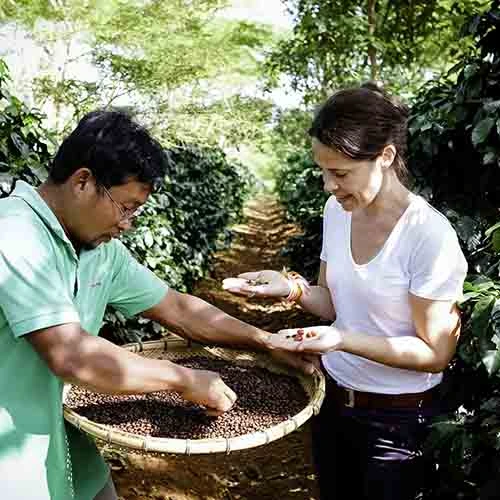
Explore the coffee culture in the Bolaven Pateau.
A stunning viewpoint looking over mountains.
This Big Loop around the Bolaven Plateau is best enjoyed over 4 to 6 days, giving you the freedom to ride at a relaxed pace and really take in one of Southern Laos’ most scenic regions. While it’s possible to complete the loop faster, allowing extra time makes a huge difference – letting you enjoy the landscapes, local culture, and quieter backroads that give this route its character. Champasak, with its laid-back riverside setting and access to Wat Phou, the UNESCO World Heritage Site, is a natural extension of the loop and well worth slowing down for rather than rushing past.
Along the way, you’ll still visit many of the plateau’s most famous waterfalls, including Tad Lo, The Four Sisters (Tad Fane, Tad Yuang, Tad Champee, and Tad E-Tu), as well as Tad Tayicseua and Tad Faek. These falls dramatically mark the drop from the cool highlands down toward the lowlands and are especially impressive during the rainy season. With more time available, you can stop at multiple viewpoints, walk down to the bases of the falls, and enjoy lunch or coffee overlooking the jungle instead of simply ticking them off and moving on.
What really sets this longer loop apart is the opportunity to explore the plateau beyond its headline stops. The riding takes you through coffee plantations, cooler highland scenery, and small ethnic villages, offering insight into how much of Laos’ coffee is grown and processed in this region. These quieter stretches feel far more authentic and see very little traffic, while the route still follows some of the best road surfaces in Southern Laos, making it accessible to a wide range of riders.
With the added flexibility of a longer itinerary, evenings can be spent in peaceful places such as Tad Lo, Houay Kong, Sekong, Paksong, or Champasak. These are ideal spots to wind down after a day on the bike, enjoy local food, watch riverside sunsets, and stay in relaxed guesthouses. This balance of iconic sights, comfortable riding conditions, and off-the-beaten-path experiences makes the Big Bolaven Plateau Loop an excellent choice for riders who want to see more than just the highlights – without committing to overly challenging or technical roads.
Bolaven Loop (Pakse Loop) Small
3-4 Days
225km + 92km optional
4 picturesque and unique waterfalls with stunning views.
Ancient Khmer temple complex predating Angkor Wat.
3 waterfalls close together with good views and swimming.
A stunning viewpoint looking over mountains.
Explore the coffee culture in the Bolaven Pateau.

A serene forest temple offering natural views.
This is the shortest and most accessible motorbike loop from Pakse, and it can comfortably be completed in just 3 days, making it an excellent choice if you’re short on time or new to riding in Southern Laos. Although the loop itself is compact, it still packs in some of the region’s most iconic scenery. If you have an extra day available, adding Champasak is highly recommended – its relaxed Mekong riverside setting and cultural highlights make it the perfect complement to the ride.
Despite its shorter distance, this loop delivers some of the Bolaven Plateau’s most famous highlights. You’ll ride through lush countryside to reach Tad Lo and the Four Sisters Waterfalls, two of the most impressive and easily accessible waterfalls in Southern Laos. These stops offer a great introduction to the plateau’s dramatic landscapes, cooler climate, and powerful cascades, without requiring long or demanding riding days.
Because of the limited timeframe, the route focuses on the main attractions and follows mostly direct, well-maintained roads, which means it skips some of the quieter backroads and more remote areas found on the longer Bolaven loops. However, this is also what makes it so appealing – it’s efficient, scenic, and achievable, while still feeling rewarding rather than rushed.
For riders looking for a short, scenic, and manageable motorbike loop from Pakse, this route is an ideal starting point. It offers a taste of the Bolaven Plateau’s natural beauty, with the flexibility to slow things down and unwind in Champasak if your schedule allows.