
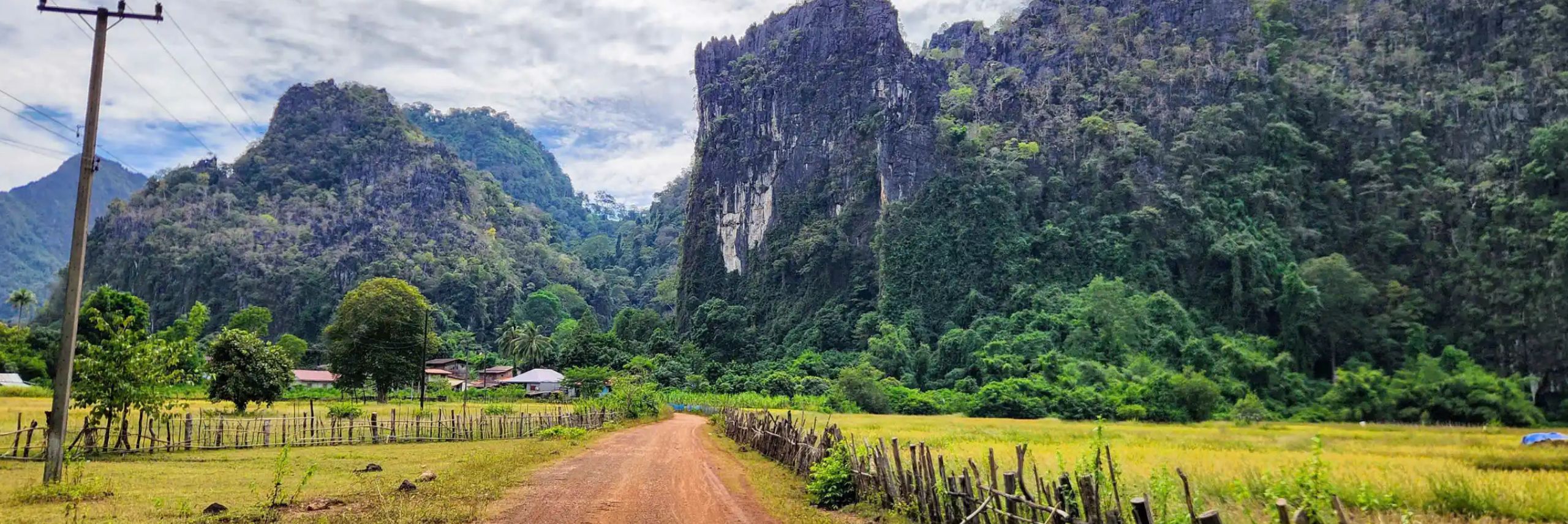

Looking to rent a motorbike in Laos but don’t know where to start? Style offers motorbike rentals between our three shops in Luang Prabang, Vientiane, and Pakse. We offer one-way motorbike rentals with helmets to work alongside your travel plans, supplemented with personalised guidance and customised routes to include more of the bits you want to see and less of the bits you don’t, to help create your ultimate motorbike adventure in Laos!
The Central Laos motorbike routes connect the heart of the country, offering a mix of scenic riding, cultural highlights, and some of Laos’ most iconic loops. These routes run primarily between Vientiane and Pakse, making them perfect for one-way motorbike trips supported by our shops in both cities.
Central Laos is home to the famous Thakhek Loop, known for its limestone karsts, flooded forests, dramatic viewpoints, and world-class caves such as Kong Lor Cave. The region also includes the Xe Champhone Loop near Savannakhet, a quieter and less-known route that passes through wetlands, rural villages, and peaceful countryside.
With generally better road surfaces than the Far North, Central Laos routes allow riders to relax into the journey while still enjoying diverse scenery and rewarding stops along the way.
Xe Champhone Loop (Savannakhet Loop)
 Days 1 - 2
 260km
260km
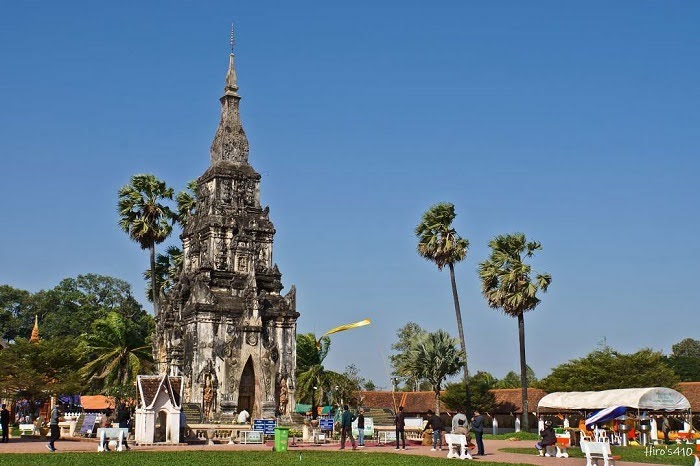
That Ing Hang is a deeply sacred Buddhist stupa.
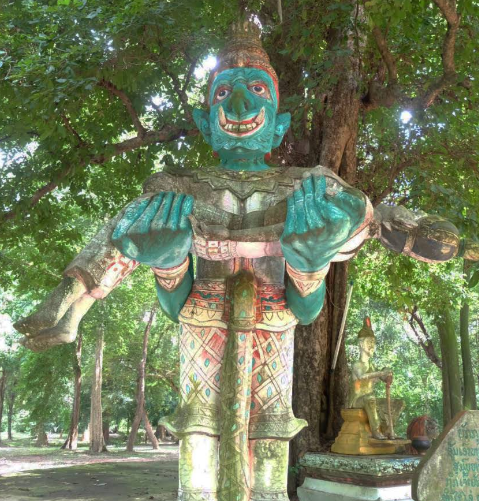
A unique Buddhist temple with depictions of Buddhist Hell
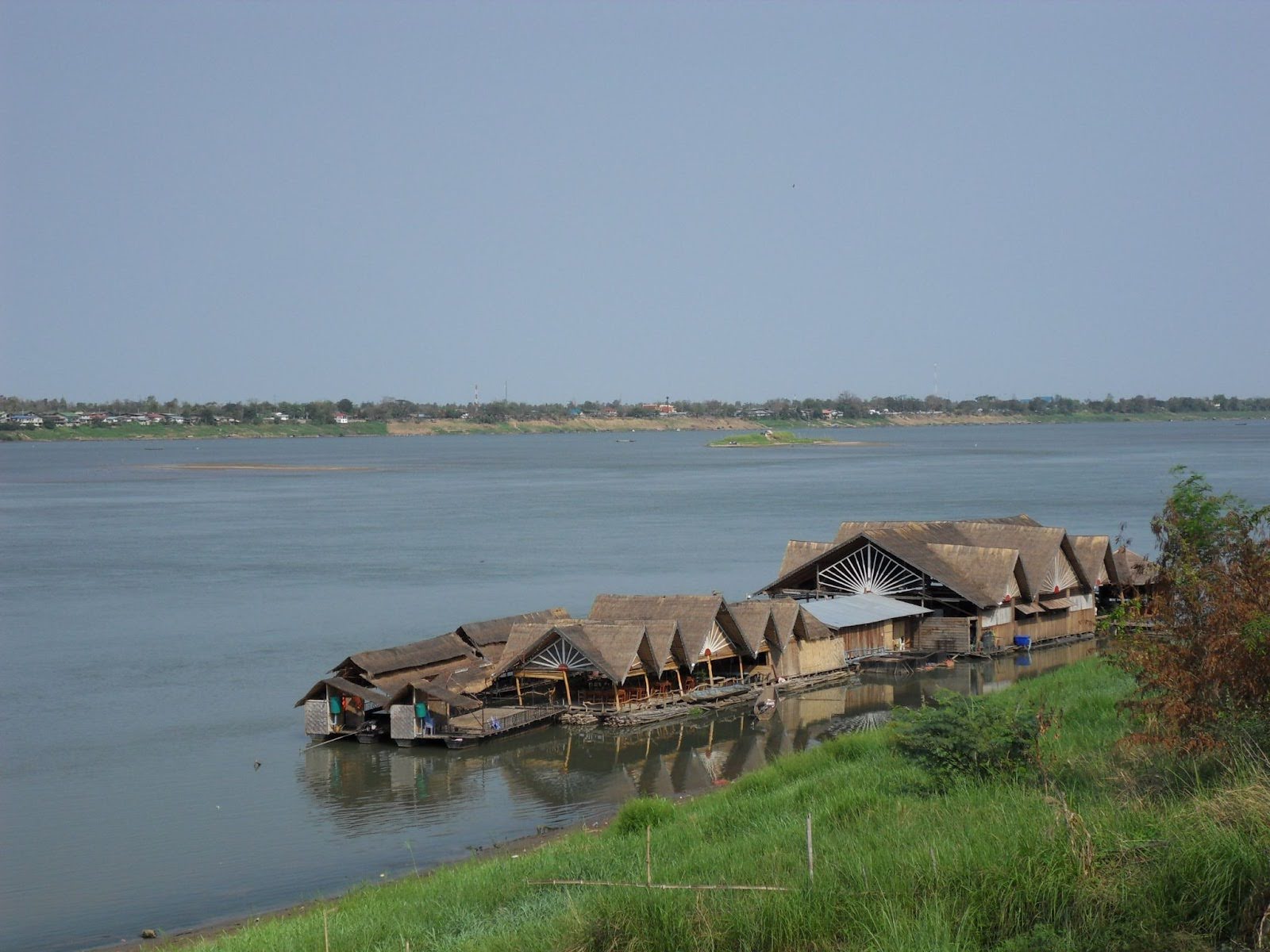
A large reservoir with restaurants and swimming.

A forest with wild macaque monkeys you can visit and feed.
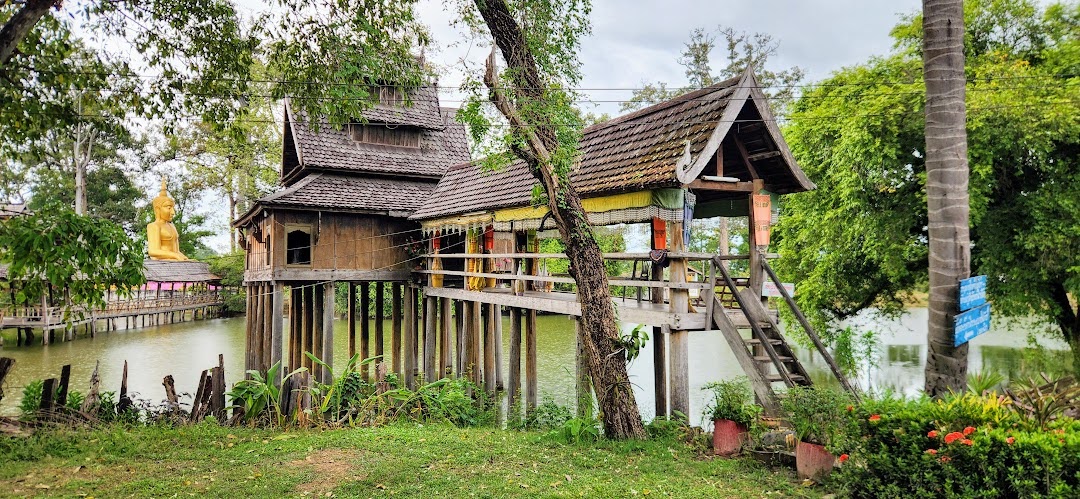
A unique 17th Century stilted library over a lake.
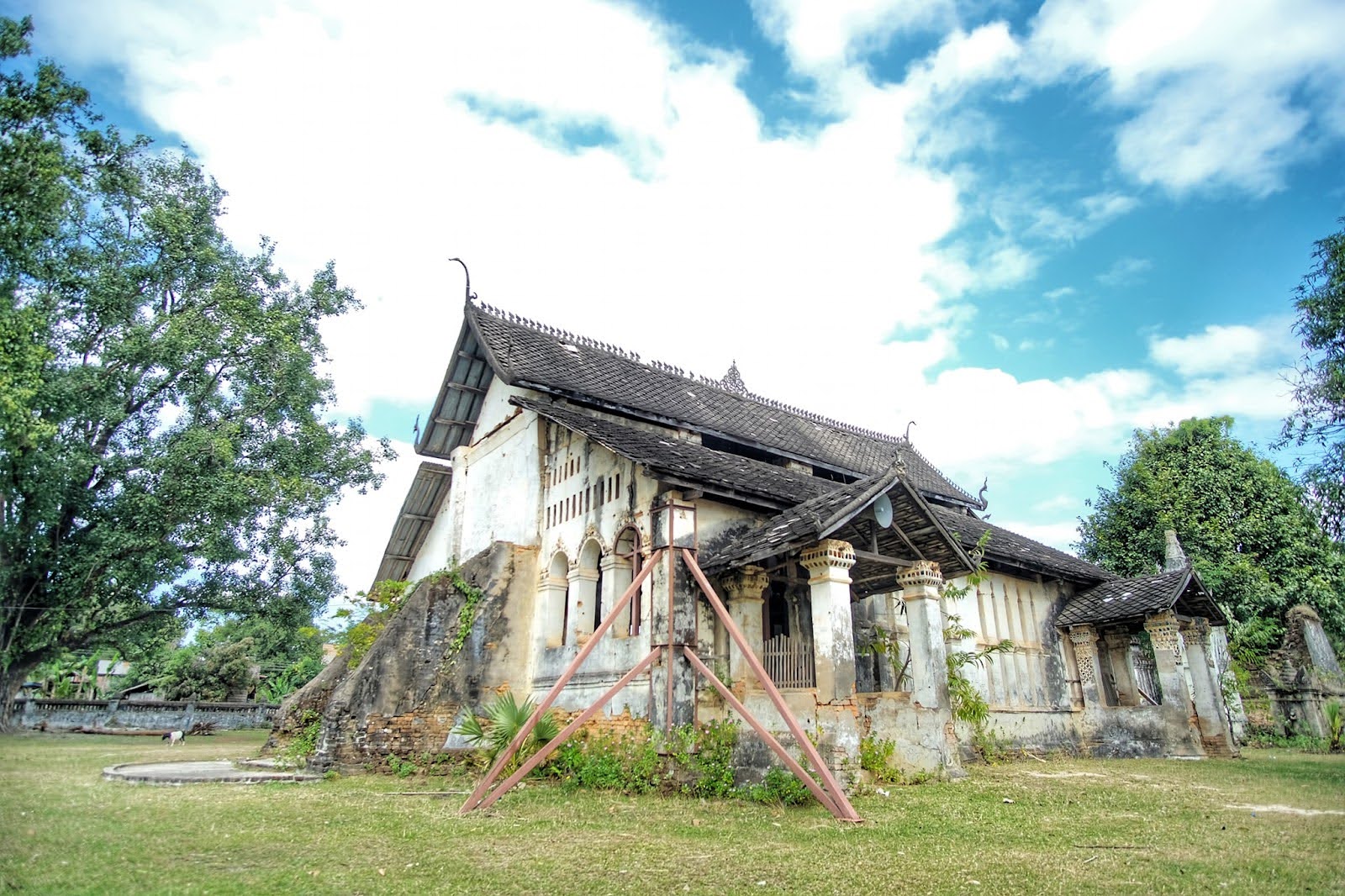
A 100 years old temple nearly destroyed by US bombing.
The Xe Champhone Loop is one of the most culturally rich and underrated motorbike routes in Laos. It’s ideal for riders looking to escape traffic, tourism, and busy highways, replacing them with quiet rural roads, wetlands, temples, and traditional villages. The loop can be comfortably completed in one full day if you start early, but many riders choose to ride it over one or two days to slow things down and enjoy the cultural depth along the way. With very little traffic and generally relaxed road conditions, the ride feels calm, immersive, and distinctly different from Laos’ more famous loops.
Unlike the mountainous routes of northern Laos, the Xe Champhone Loop flows through flat countryside, rice fields, lakes, and wetlands, making the riding easy and enjoyable. The focus here is less on technical riding and more on discovery, with frequent opportunities to stop, explore, and connect with places that most travellers never see.
Wat Phoukor & the Buddhist Hell
One of the most striking stops along the Xe Champhone Loop is Wat Phoukor. Riding through quiet villages to reach the temple sets the tone for what makes this loop special. The site is best known for its large reclining Buddha, but it’s the Buddhist Hell (Naraka) sculptures that leave the strongest impression.
These dramatic figures depict the consequences of immoral behaviour according to Theravada Buddhist beliefs and create a powerful contrast with the peaceful landscape outside. Visiting Wat Phoukor mid-ride adds depth to the journey and highlights how closely religion, daily life, and rural Laos are connected.
Taleo Old Temple
The ride to Taleo Old Temple takes you deeper into Savannakhet province, where roads narrow and villages become smaller and more traditional. This part of the loop feels timeless and untouched, with little sign of modern tourism.
Built in the early 19th century, Taleo Old Temple was heavily bombed during the Vietnam War due to its proximity to the Ho Chi Minh Trail. Riding through this area and stopping at the temple gives real context to Laos’ history. The ruins, combined with the quiet surroundings, make this a reflective and meaningful point on the loop.
Hotay Pidok Library – Ancient Buddhist Manuscripts
The Hotay Pidok Library in Ban Nong Lam Chan is one of the most culturally important stops on the Xe Champhone Loop. Reached via small rural roads, it feels like a genuine discovery rather than a planned attraction.
Inside, ancient palm-leaf manuscripts written in Pali, Lao, and Khmer are preserved, covering Buddhist teachings, traditional medicine, and local history. For riders, this stop reinforces why travelling by motorbike is so rewarding – you can reach deeply cultural p13laces, spend time learning, and continue riding with a richer understanding of the region.
Turtle Lake & Sacred Wetlands
The ride to Turtle Lake (Nong Kham) passes through peaceful wetland landscapes and small farming communities. This section of the loop is especially relaxing and highlights the slower rhythm of life in central Laos.
Turtle Lake is home to rare softshell turtles, protected by local spiritual beliefs. Watching the turtles surface while locals and monks make offerings is a powerful reminder of how nature and religion are intertwined here. It’s an ideal place to slow the pace of the ride and appreciate the calm that defines this loop.
Soui Lake, Monkey Forest & Phu Thai Villages
Soui Lake is one of the most scenic stretches of the Xe Champhone Loop, surrounded by wetlands and open countryside. It’s a natural place to pause and take in the surroundings while enjoying local food from lakeside restaurants.
Nearby, the Monkey Forest in Ban Dong Muang is home to long-tailed macaques that roam freely around the village and temple. Riding through the village offers a unique glimpse into how wildlife and daily life coexist.
The loop also passes through several Phu Thai villages, where traditional weaving, indigo dyeing, and strong cultural identity remain part of everyday life. Riding slowly through these communities is essential, not just for safety, but to fully appreciate the people, crafts, and traditions that define this part of Laos. The surrounding wetlands are also one of the last natural habitats of the critically endangered Siamese crocodile, adding ecological significance to the route.
The Xe Champhone Loop is about flow, freedom, and cultural immersion. It’s not physically demanding, but it’s deeply rewarding. The combination of quiet roads, easy riding conditions, and frequent cultural landmarks makes it ideal for riders who want to slow down and experience Laos beyond the usual highlights.
Typically ridden over 1–2 days, this loop works perfectly as a standalone ride or as part of a longer North–South journey. For riders who value authenticity, history, and relaxed riding over speed and distance, the Xe Champhone Loop offers one of the most memorable and underrated motorbike experiences in Laos.
Vientiane <-> Pakse Long One Way Rental
7 Day+
700KM (Excuding Thakhek Loop)
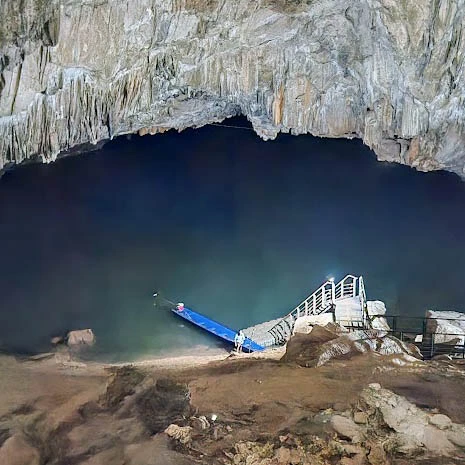
A stunning 7.5 km-long river cave, carved by the Nam Hin Bun River, featuring immense limestone formations
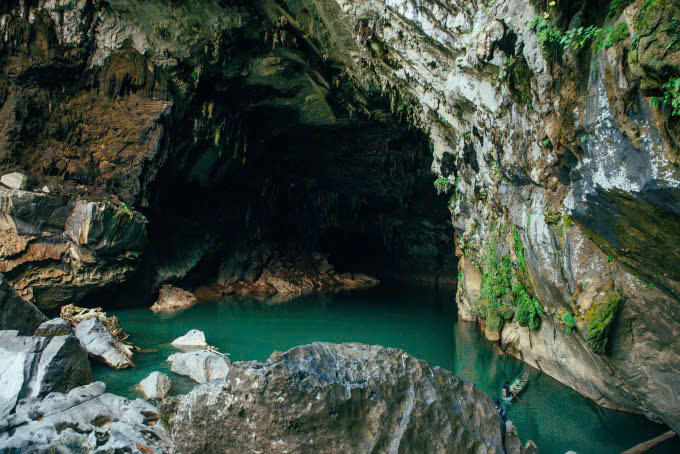
One of the world's largest active river caves, featuring immense underground chambers carved by the Xe Bang Fai River,
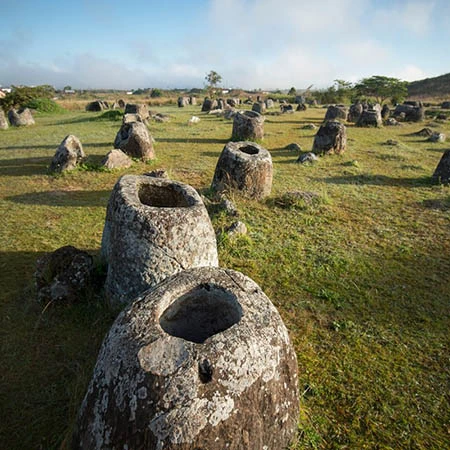
A mysterious Iron Age archaeological landscape featuring thousands of massive, tubular stone jars. Laos’ third UNESCO World Heritage Site,
An off-the-beaten-path motorbike route near Savannakhet, offering diverse landscapes and rich culture

Details the shared history and struggle of Laos and Vietnam during the war.
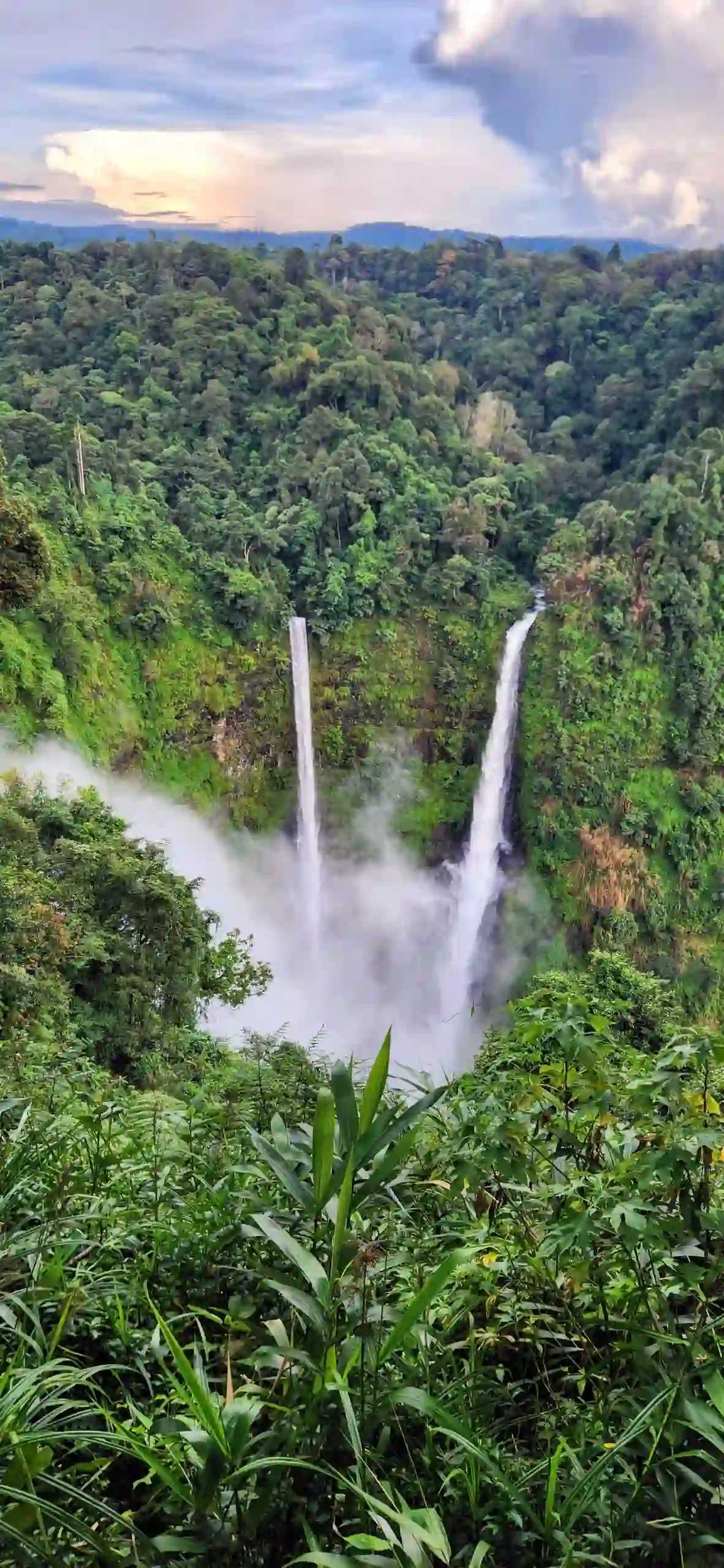
A cool, fertile highland known for its lush coffee/tea plantations, stunning waterfalls (like Tad Fane), and rich ethnic cultures, offering a refreshing escape with rural landscapes, ethnic minority villages (Laven, Katu), and opportunities for adventure like motorbiking the scenic loop.

Si Phan Don, meaning "4,000 Islands," is a beautiful riverine archipelago in the Mekong River in southern Laos,
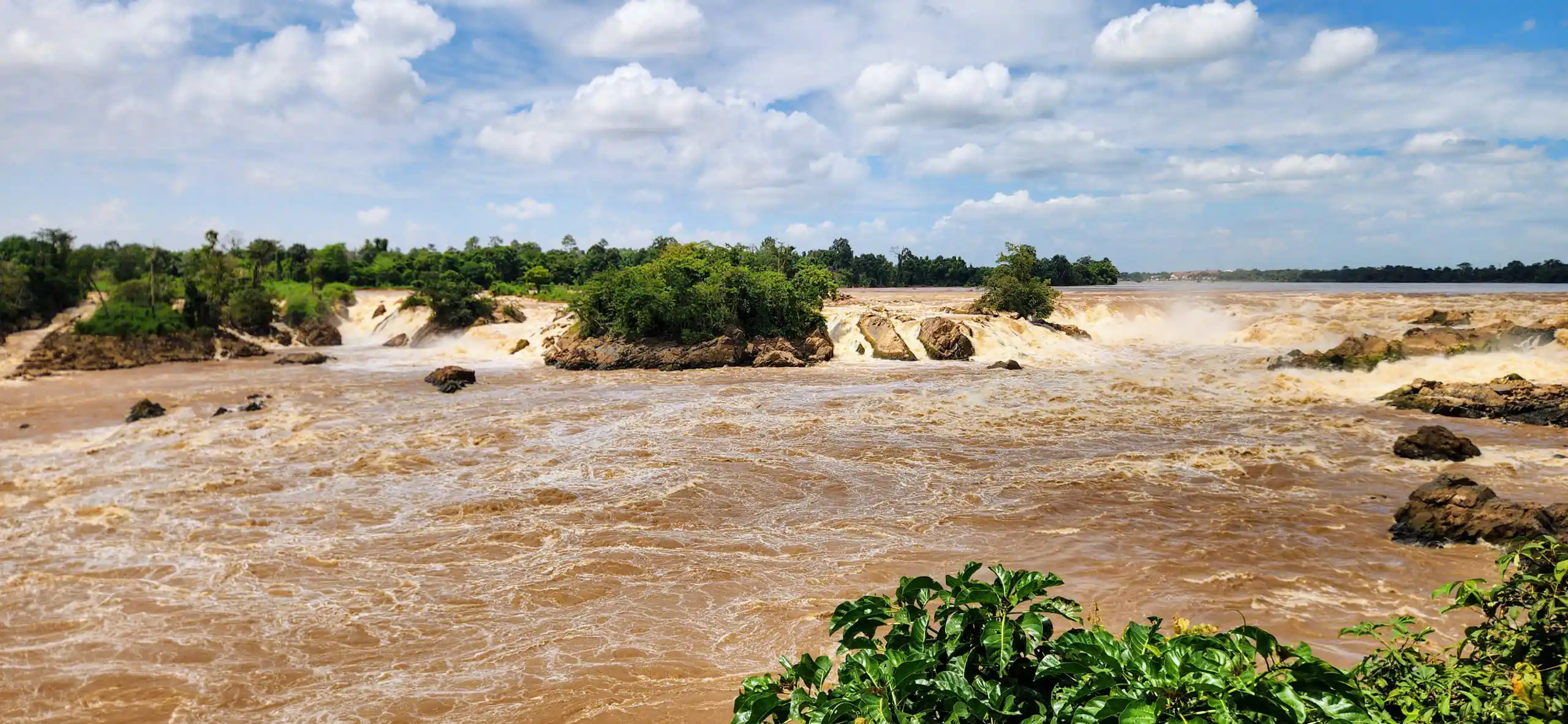
The Khone Phapheng Falls are a massive series of cascading waterfalls and rapids on the Mekong River in southern Laos, near the Cambodian border.

Vat Phou, Laos’ second UNESCO World Heritage Site. Dating from between the 11th and 13th centuries, it has been worshipped by Hindu, Buddhist, and animist pilgrims for centuries.
The Vientiane to Pakse motorbike route is one of the most diverse and rewarding long-distance journeys in Laos, linking the capital city in the north with the waterfalls, plateaus, and river landscapes of the south. It’s an ideal one-way motorbike trip, allowing riders to cross the country without backtracking while experiencing a wide mix of scenery, culture, and road conditions. From limestone karsts and historic sites to quiet rural loops and dramatic caves, this route showcases the true variety of Laos.
Leaving Vientiane, riders head east into the heart of Central Laos, where the landscape quickly changes from Mekong lowlands to rolling hills and karst formations. One of the major highlights along this stretch is Phonsavan, home to the mysterious Plain of Jars, a UNESCO World Heritage Site scattered across open plains and forested hills. Nearby Muang Khoun, the former provincial capital, adds historical depth with its old temples, war-damaged ruins, and quieter village atmosphere, making it well worth a stop when exploring the area.
Continuing south, the route connects naturally with the famous Thakhek Loop, one of Laos’ most popular and scenic motorbike circuits. This loop is known for its smooth roads, dramatic limestone scenery, and extensive cave systems. The highlight is Kong Lor Cave, a 7.5km-long river cave where riders leave their bikes behind and travel by longboat through a vast underground tunnel. Along the loop, riders also pass viewpoints, flooded forests, and quiet rural towns that make this section both visually impressive and relaxed to ride. Further east, more adventurous riders can extend their journey to the Xe Bang Fai Cave, one of the largest river caves in Laos.
As the route continues south toward Pakse, riders have the option to explore the lesser-known Xe Champhone Loop near Savannakhet. This quiet loop offers a completely different side of Central Laos, with wetlands, lakes, rural villages, and peaceful backroads rarely visited by tourists. The riding here is relaxed and scenic, making it a perfect contrast to the karst-heavy landscapes further north and a great way to experience everyday life in rural Laos.
Arriving in Pakse, the journey transitions into Southern Laos, opening the door to the Bolaven Plateau, Champasak, and Si Phan Don (4,000 Islands). Whether continuing onto the Bolaven Loops or ending the trip in Pakse, this north-to-south route delivers a complete Laos motorbike experience, combining famous landmarks with hidden gems, varied riding conditions, and the freedom of true one-way travel.
Vientiane < – > Vientiane (Plain of Jars & Kong Lor Cave)
5-6 days
1000km
A stunning 7.5 km-long river cave, carved by the Nam Hin Bun River, featuring immense limestone formations
A mysterious Iron Age archaeological landscape featuring thousands of massive, tubular stone jars. Laos’ third UNESCO World Heritage Site,
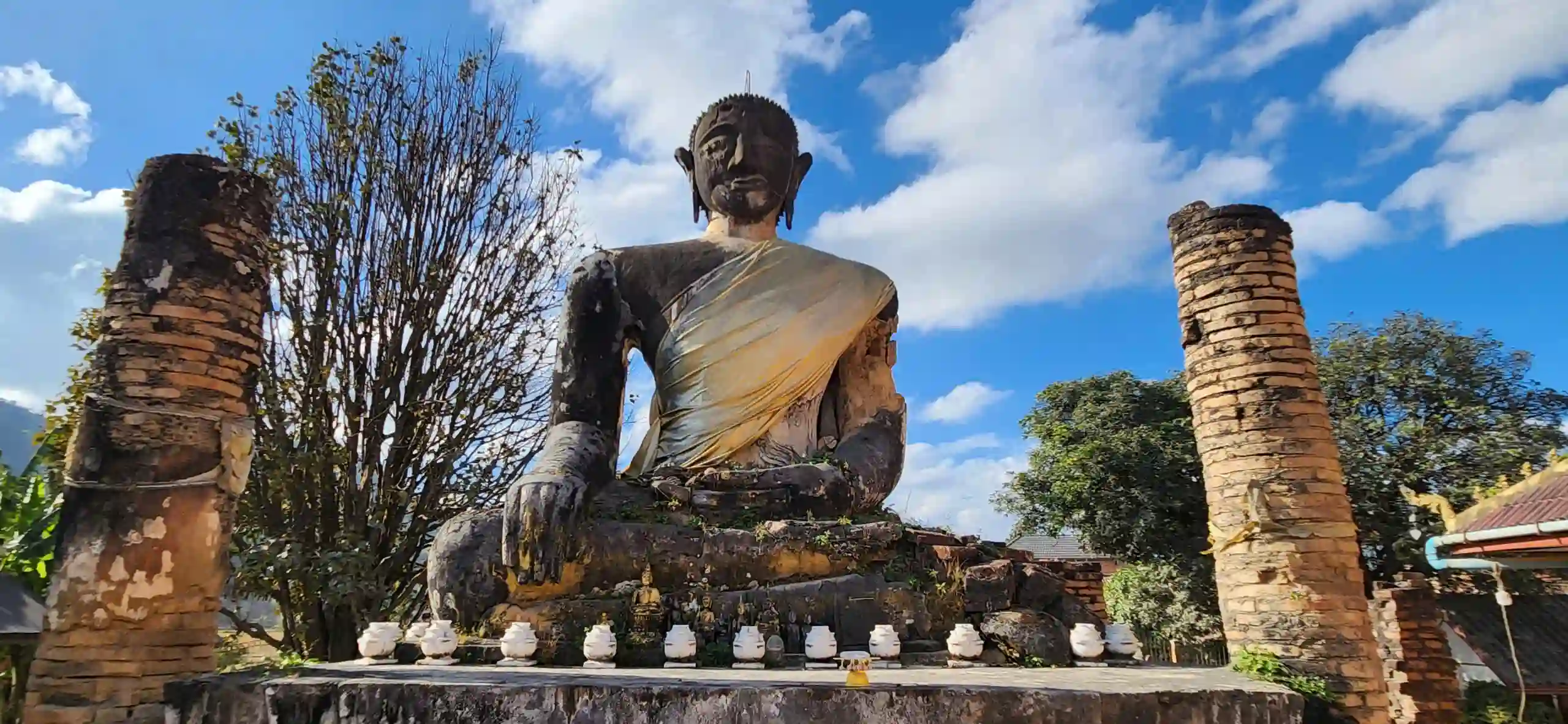
This was the ancient capital of Laos' Xieng Khouang region, a once-grand city with many temples, largely destroyed by war, now a historical site near Phonsavan
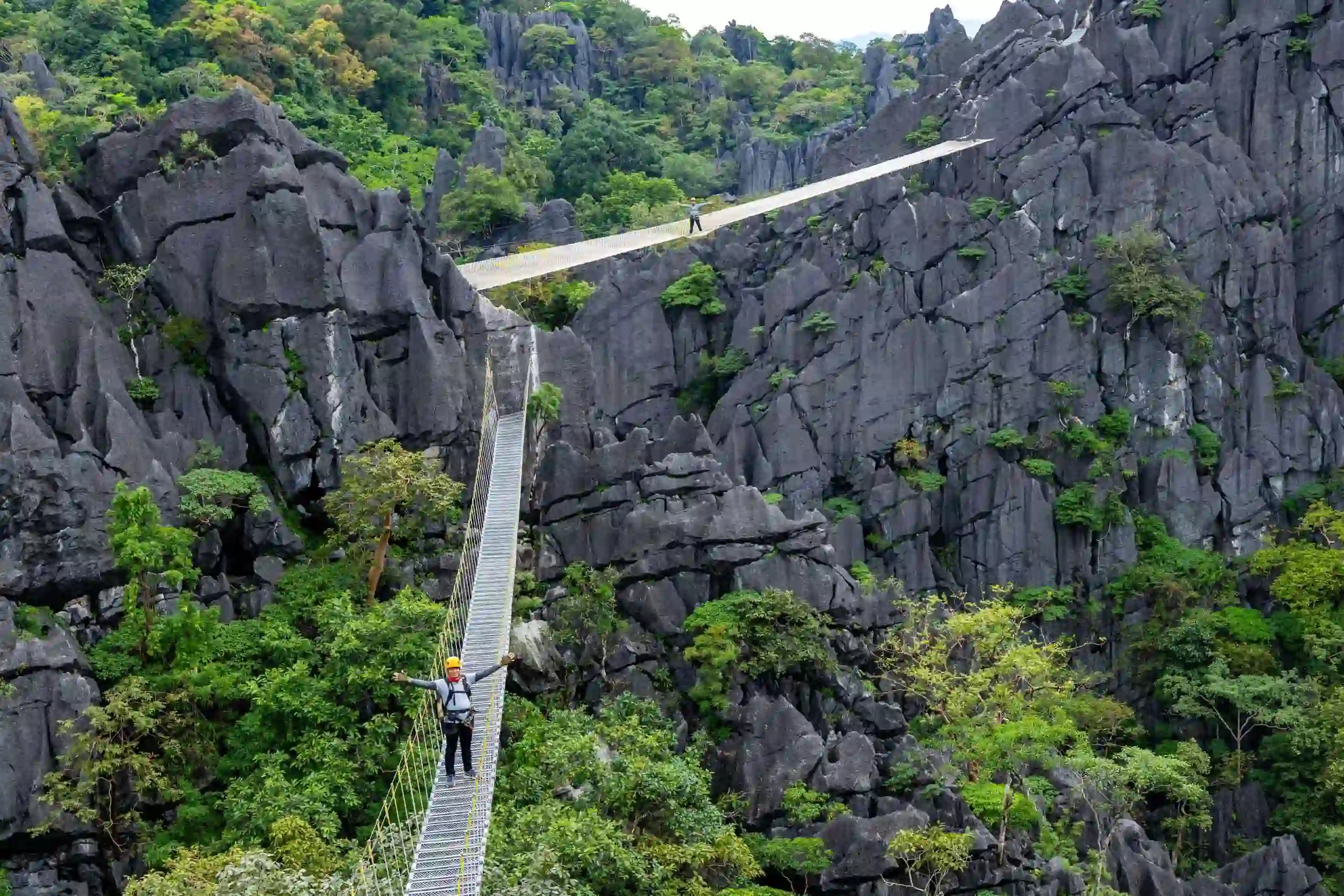
Offering incredible vistas across the rocky landscape
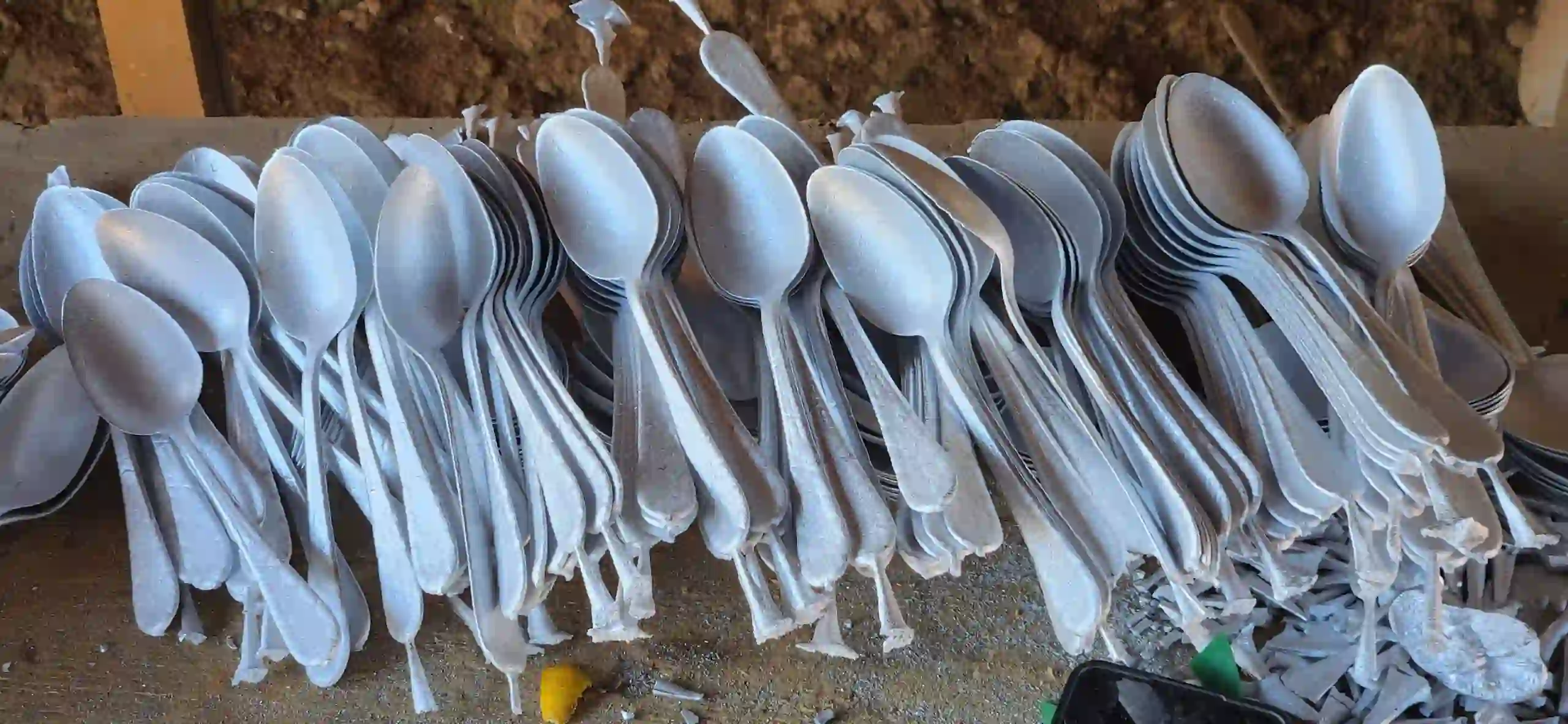
Creating unique spoons, bracelets, and other crafts from recycled aluminum and scrap metal from Unexploded Ordnance (UXO) left over from the Secret War,
This Vientiane to Vientiane Loop is a rewarding way to explore central and North Eastern Laos without the pressure of a long one-way journey. It blends smooth mountain riding with powerful historical sites, dramatic limestone scenery, and quiet rural roads, making it ideal for riders who want variety, culture, and a relaxed but adventurous pace.
Leaving Vientiane, the ride quickly moves away from the city and into rolling countryside alongside The Mekong. Traffic fades, villages become smaller, and the roads begin to wind gently through forested hills. It’s an easy and enjoyable introduction to rural Laos, with plenty of space to settle into the rhythm of the ride before entering Bolikhamxay Province and then climbing higher toward Xieng Khouang Province.
The highly recommended ride leads to Muang Khoun, the former royal capital of Xieng Khouang. The town is quiet and atmospheric, with ruined temples, ancient stupas, and war-scarred buildings telling the story of both its royal past and more recent conflicts. Places like Wat Phia Wat and That Foun Stupa offer a powerful insight into Laos’ history and are often a highlight for riders who enjoy reflective, lesser-visited places.
Arriving in Phonsavan, the atmosphere changes noticeably. This laid-back town is the gateway to the Plain of Jars and a natural place to slow down. Riding out to the different jar sites takes you through open landscapes dotted with grazing cattle and scattered villages. Seeing the massive stone jars spread across the hillsides gives a real sense of scale and mystery, and visiting more than one site adds depth to the experience.
A stop at Mulberries Organic Silk Farm is a way to learn about traditional silk weaving and natural dyeing techniques.
Ban Napia (Spoon Village) provides another important perspective on the region’s past. Riding out to the village, you’ll see how locals have transformed unexploded bomb fragments into spoons, jewellery, and household items. It’s a humbling cultural stop that fits naturally into the route and adds depth to the experience around the Plain of Jars.
From Phonsavan, the loop turns south toward The Northern end of The Thakhek Loop, where limestone karsts begin to dominate the scenery and the riding opens up. This section features some of the best road surfaces in Laos and long scenic stretches that allow you to fully enjoy the ride.
Continuing inland, the route reaches Kong Lor Cave, one of the most unforgettable highlights of motorbike travel in Laos. The ride in passes through quiet villages and rice fields beneath towering limestone cliffs. Inside, a boat journey takes you 7.5 kilometres through the mountain along an underground river, with vast caverns illuminated only by headlamps – a truly unique and surreal experience.
As the loop begins to close, the ride back toward Vientiane becomes more relaxed. One of the standout stops here is The Rock Viewpoint, offering wide views across dramatic karst peaks, while enjoying the calm rural setting before the final ride back to the capital.
By the time you return to Vientiane, this loop feels well balanced and complete. With iconic sights like the Plain of Jars, Muang Khoun, Kong Lor Cave, and a mix of smooth roads and scenic countryside, it delivers one of the most culturally rich and enjoyable motorbike routes in Central Laos.
Southern Laos Loop
4 Days+
750 KM
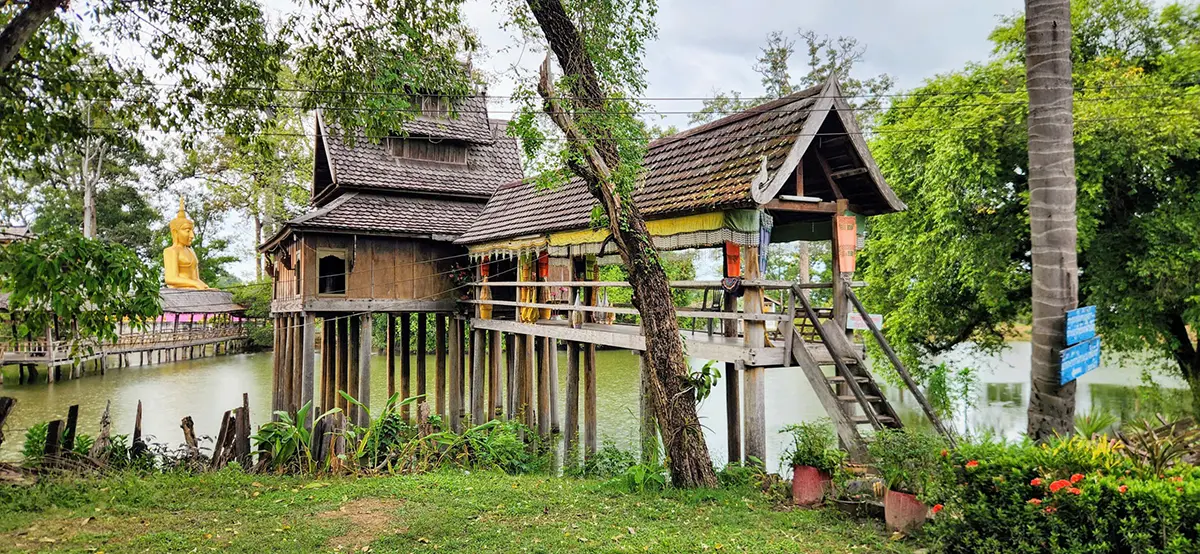
The Xe Champhone Loop is one of the most culturally rich and underrated motorbike routes in Laos. It’s ideal for riders looking to escape traffic, tourism, and busy highways, replacing them with quiet rural roads, wetlands, temples, and traditional villages.
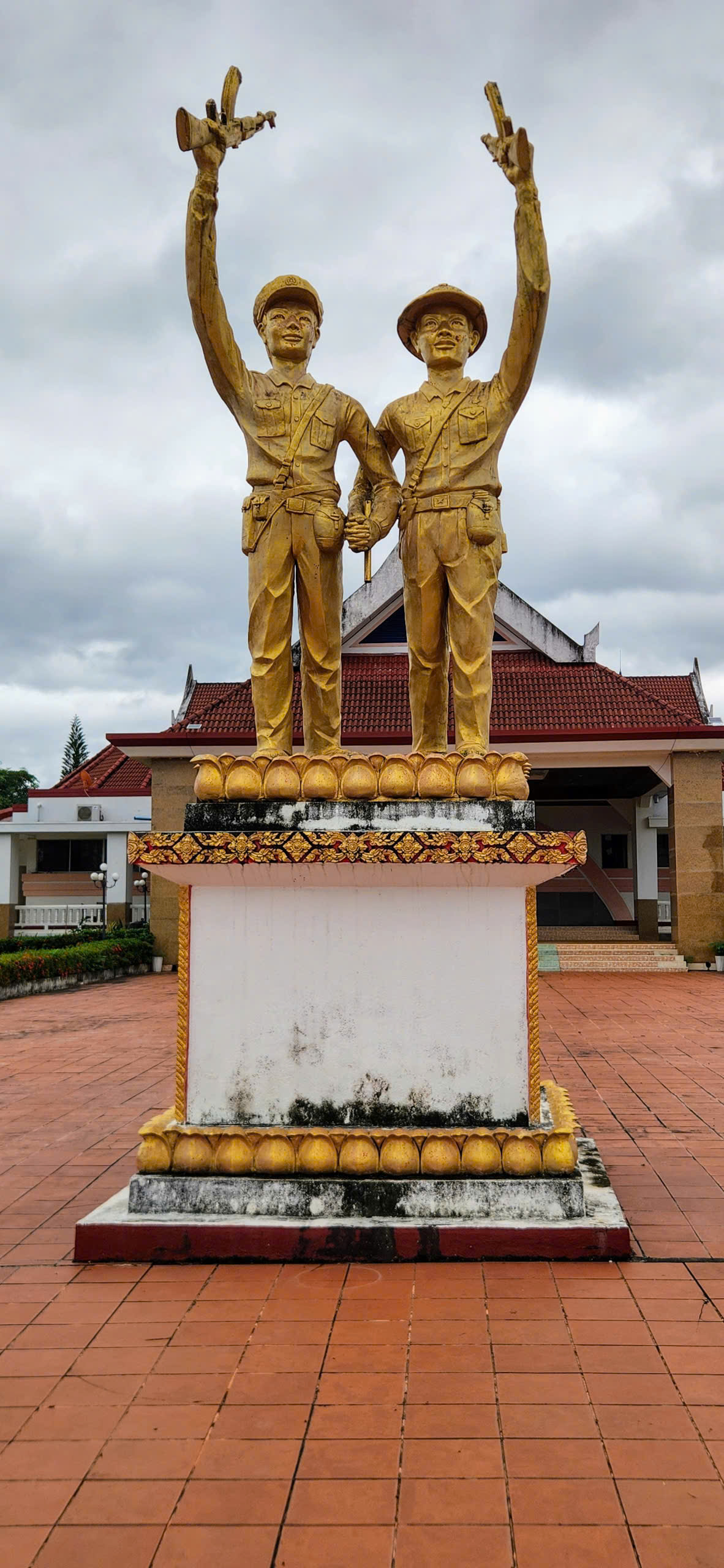
The Lam Son 719 War Museum, Laos Military Museum (also known as the Museum of Lao-Vietnam Legacy of Joined Victory Battle on the Road 9 Area) is a joint wartime museum located in Ban Dông, Laos, that details the shared history and struggle of Laos and Vietnam during the war.
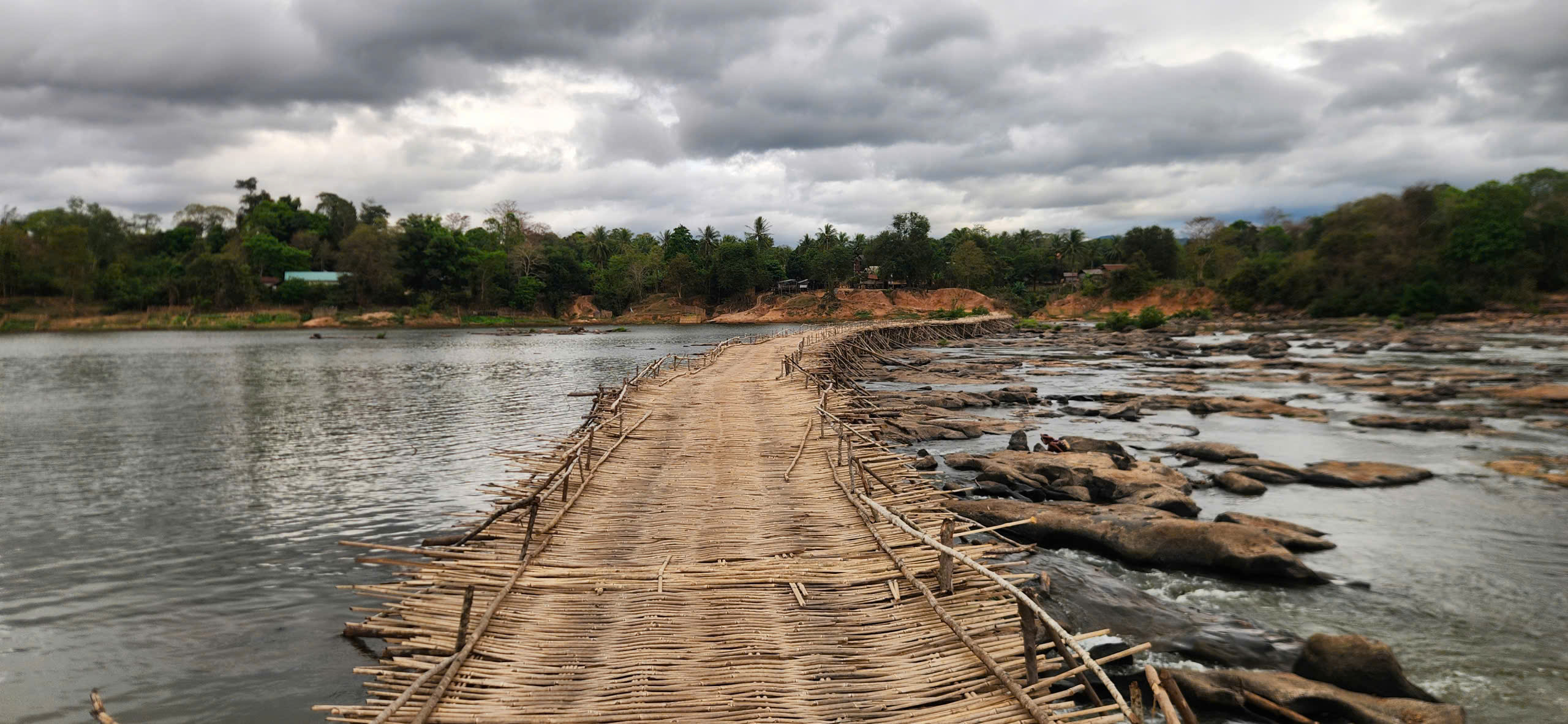
In Muang Nong, Savannakhet Province, you'll find a remarkable bamboo-surfaced bridge (often referred to as a wooden bridge) that spans the Xe Lanong River. This bridge is a vital link between Along village and the district center.
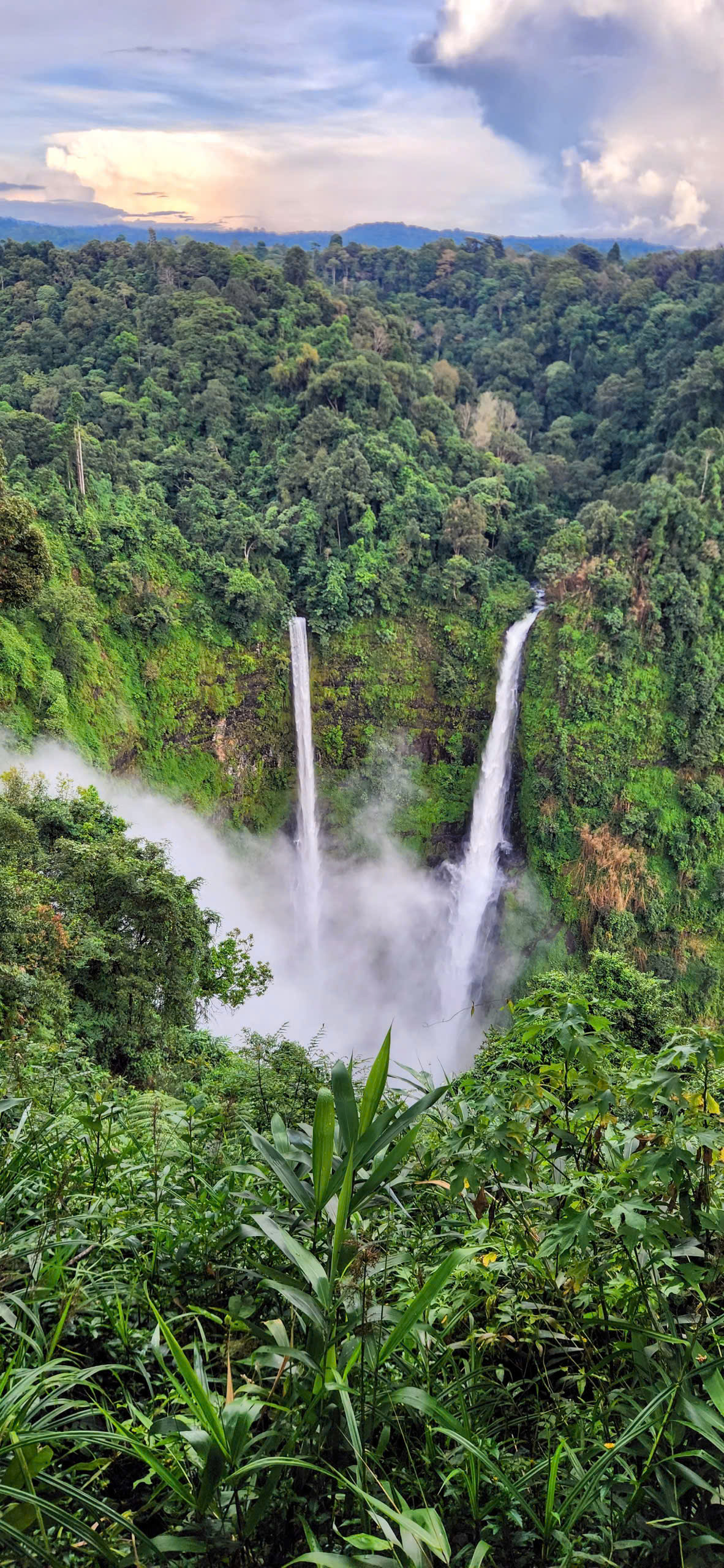
Tat Fan is one of the most spectacular waterfalls in Laos. Twin streams plunge out of dense forest and tumble down more than 120m to form the Huay Bang Lieng. The viewing point opposite the falls is a near-mandatory stop for anyone in the area.
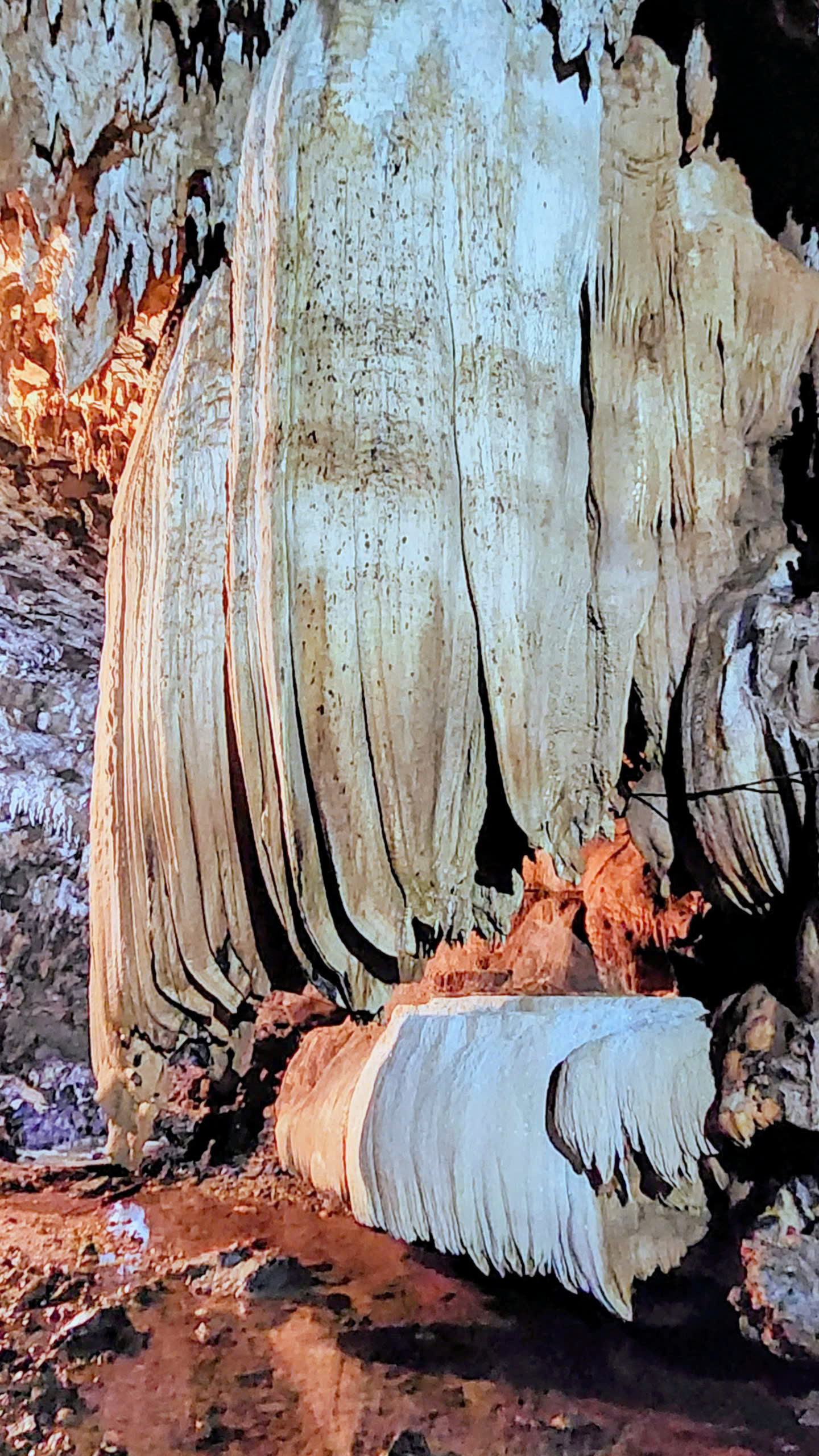
Phouphasouk Cave is a large cave complex stretching 4,630 meters, making it the longest in the area. It features a large karst mountain with intricate stalactite and stalagmite formations.
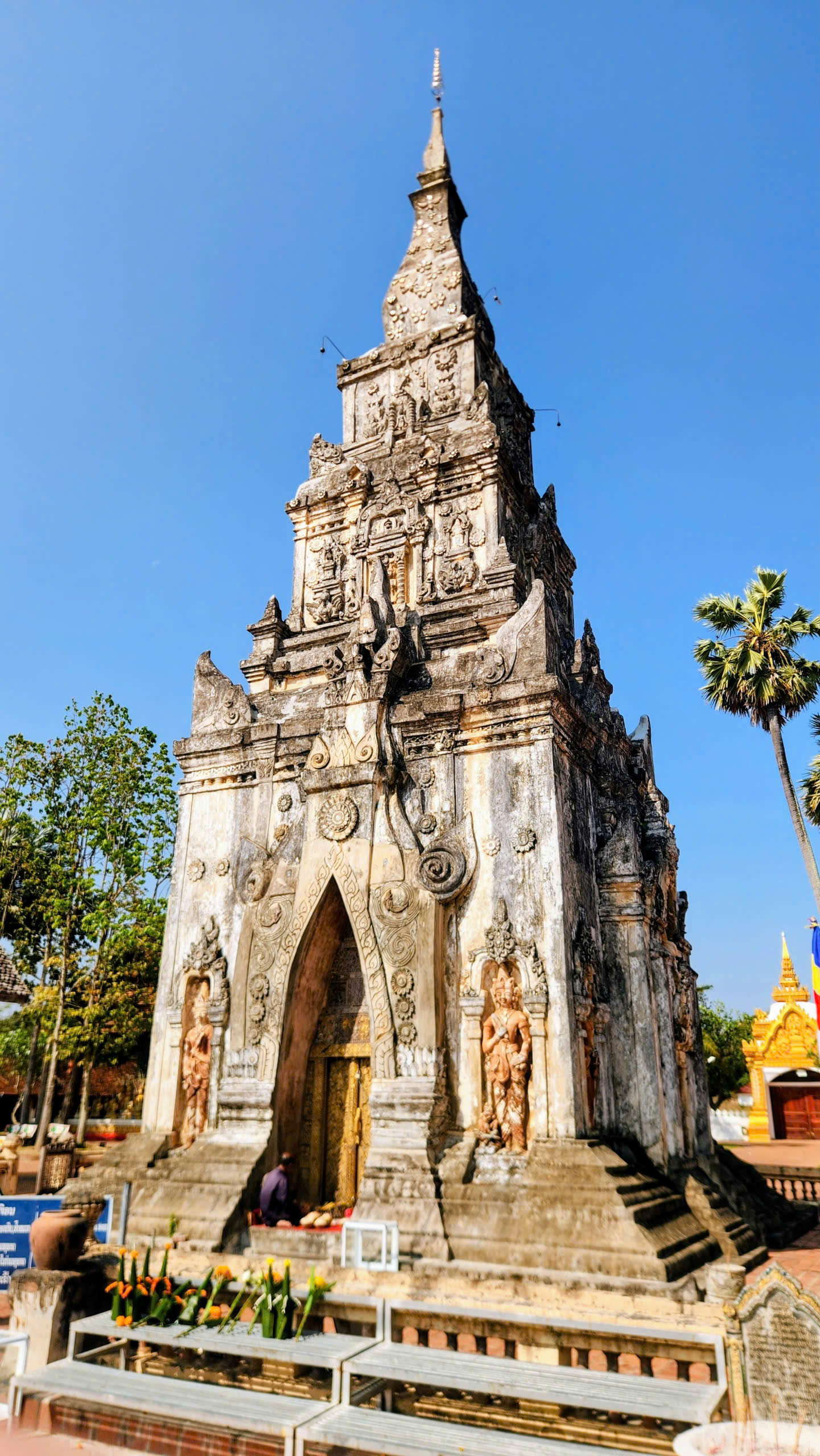
Thought to have been built in the mid-16th century, this well-proportioned, 9m-high thâat is the second-holiest religious edifice in southern Laos after Wat Phu Champasak.
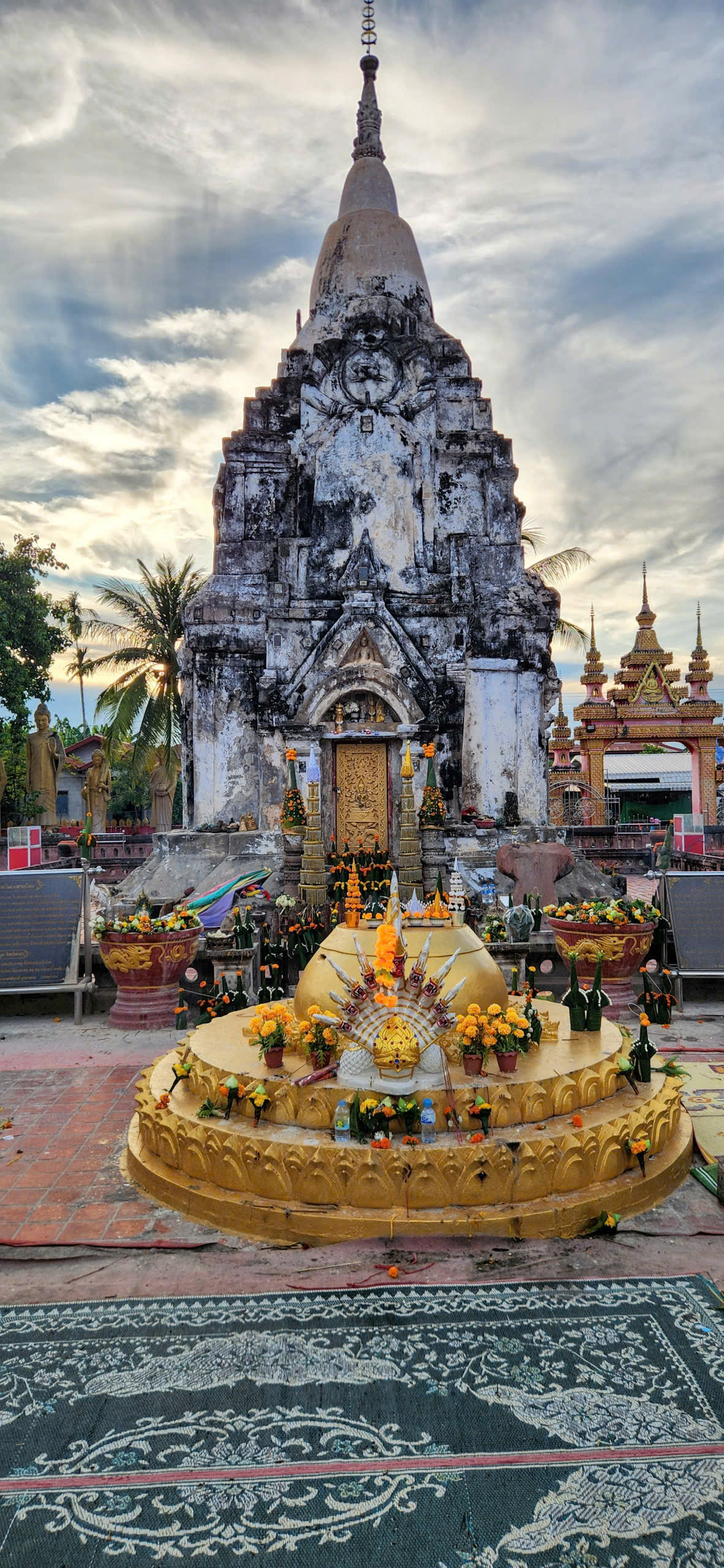
Wat Phra That Phon is a sacred Buddhist stupa and a newly designated national heritage site in Savannakhet Province, Laos. It is highly revered for its spiritual significance and unique architectural style.
The Southern Laos Loop with Style Motorbikes is one of the most diverse and rewarding motorbike journeys in the country, combining waterfalls, highland coffee regions, historic wartime routes, and authentic provincial towns into a truly immersive ride. Starting and ending in Pakse, this extended loop goes far beyond the typical Bolaven Plateau circuit, taking riders north towards Savannakhet, across historic highways, and into some of the least visited regions of southern Laos.
The ride begins with a climb onto the Bolaven Plateau, where cooler temperatures and fertile volcanic soil create the perfect conditions for Laos’ famous coffee. Quiet roads wind through plantations, small villages, and dense forest, with some of the country’s most impressive waterfalls along the way. Stops such as Tad Fane Waterfall, plunging dramatically into a deep gorge, and Tad Lo Waterfall, known for its relaxed village setting, highlight the natural beauty of the plateau while offering opportunities to swim, explore, and unwind.
Heading north, the journey passes through Salavan Province, one of the most untouched regions in the country. Here, the roads become quieter, the landscapes more rugged, and the sense of exploration stronger.
A key highlight of this extended loop is riding along Historic Highway 9, one of the most significant roads in Laos’ modern history. Once part of the Ho Chi Minh Trail network during the Vietnam War, this route carries deep historical importance while today offering a scenic and atmospheric ride through mountains, forests, and remote communities.
Heading north, the route opens up into quieter and more remote landscapes as you approach Savannakhet, a city rich in colonial architecture and Mekong riverside charm. From here, the loop becomes more adventurous, linking into the lesser-travelled Xe Champhone Wetlands region. The Xe Champhone Loop offers a completely different riding experience, with flat rural roads, wetlands and traditional villages. It’s a peaceful and authentic glimpse into rural Laos that few travellers experience.
With Style Motorbikes, the Southern Laos Loop becomes more than just a ride – it’s a fully supported adventure. With reliable bikes, detailed route guidance, riding support, and a network of assistance across the country, you have the freedom to explore these remote regions with confidence.
This is not just a loop for scenery, but for depth – combining nature, history, culture, and genuine off-the-beaten-path exploration into one of the most complete motorbike journeys in Laos.
Thakek Loop
3+ Days
430km
A long river cave with stunning formation and boat ride.
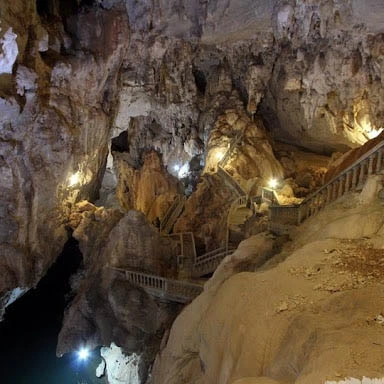
A large cave featuring huge chambers and colourful lighting.
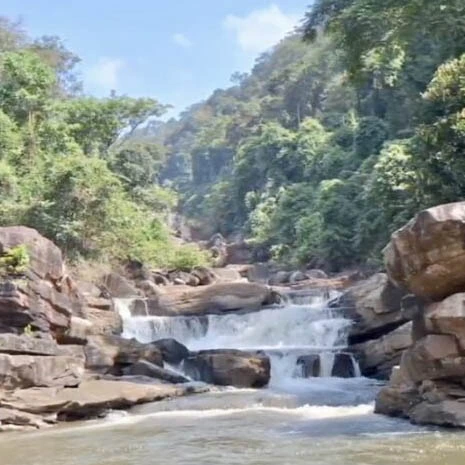
A nice waterfall where you can swim.
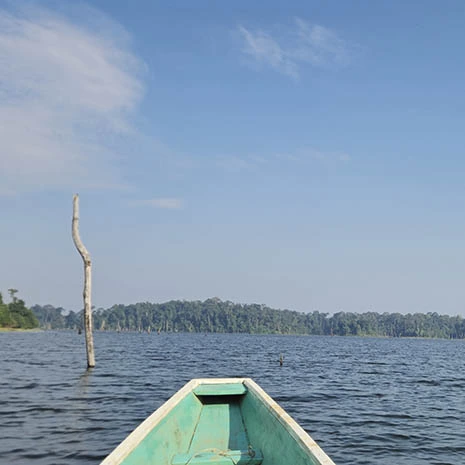
A unique flooded forest lake where you can take boat trips.
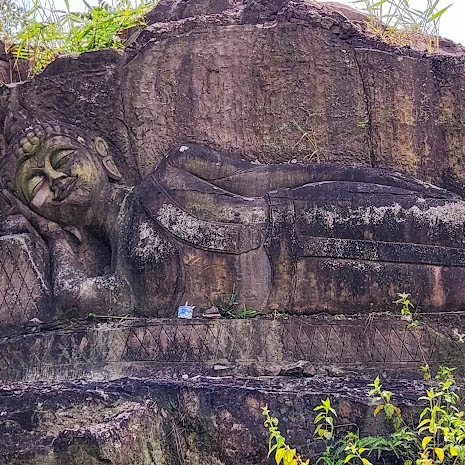
Ancient sandstone buddhas carved ino walls.
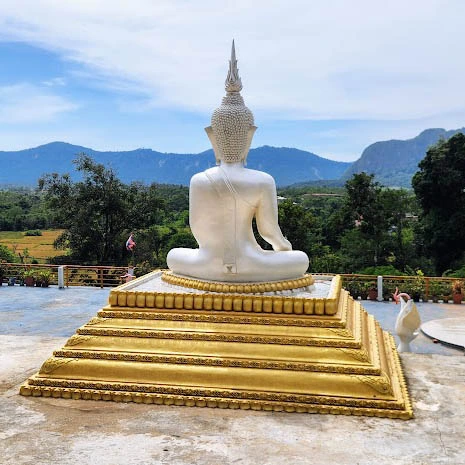
A serene forest temple offering natural views.
The Thakhek Loop works perfectly as a standalone adventure, but it also fits seamlessly into longer one-way motorbike routes through Laos, making it an ideal option for riders travelling between Vientiane and Pakse.
For riders starting in Vientiane, the journey south to Thakhek is an easy and scenic introduction to central Laos, following well-maintained highways and quiet riverside roads. From Thakhek, you can complete the full loop before continuing further south toward Savannakhet, the Xe Champhone Loop, the Bolaven Plateau, and eventually Pakse. This creates a natural north-to-south route that combines some of Laos’ best riding with its most famous landscapes.
If you’re coming north from Pakse, the Thakhek Loop works just as well in reverse. After finishing the Bolaven Plateau Loop or exploring Champasak and Wat Phou, you can ride north to Thakhek, complete the loop, and then continue on to Vientiane or even further toward Vang Vieng and Luang Prabang. This direction is especially popular for riders looking to experience Laos gradually, starting with easier roads in the south before tackling more mountainous terrain further north.
With one-way rentals available, there’s no need to loop back or repeat roads. You can start in Vientiane and finish in Pakse – or vice versa – while still enjoying the full Thakhek Loop and its extensions as part of a bigger, more immersive Laos motorbike journey.
Riding the Thakhek Loop gives you the chance to experience some of the best road conditions in Laos, especially compared to the northern routes. Smooth tarmac, sweeping curves, and quiet roads allow you to focus on the scenery as you wind through dramatic limestone karst landscapes, rural villages, and the vast flooded forest created by the Nam Theun 2 hydroelectric project. Along the way, you’ll encounter countless caves, viewpoints, and natural attractions, making this one of the most visually rewarding loops in the country.
One of the highlights is The Rock viewpoint, where you can stop for panoramic views over the karst landscape or add a bit of adrenaline with zip-lining through the cliffs. The route is cave-heavy and perfect for riders who enjoy a mix of relaxed riding and frequent stops to explore.
Thakhek Loop – 5 Days (Recommended)
This is the ideal option for most riders, allowing a relaxed pace and enough time to visit multiple caves without rushing.
Day 1: Thakhek → Nakai or Thalang
Day 2: Nakai or Thalang → Lak Sao
Day 3: Lak Sao → Kong Lor
Day 4: Kong Lor → Na Hin
Day 5: Na Hin → Thakhek
Thakhek Loop – 4 Days
If time is limited, the loop can be shortened by skipping one overnight stop near the end. Staying in Thalang gives you time to catch caves you may have missed earlier, while finishing in Thakhek lets you enjoy the riverside town before moving on.
Day 1: Thakhek → Thalang
Day 2: Thalang → Kong Lor
Day 3: Kong Lor → Na Hin
Day 4: Na Hin → Thakhek
Thakhek Loop – 3 Days (Fast & Focused)
This version is best for riders with tight schedules. It does feel rushed, but still allows you to visit the two standout cave systems that shouldn’t be missed.
Day 1: Thakhek → Thalang
Day 2: Thalang → Kong Lor
Day 3: Kong Lor → Thakhek
Kong Lor Cave and Tham Nang Ene Cave are the absolute highlights and well worth prioritising if you choose the shorter option.
Optional Extensions – Take the Thakhek Loop Even Further
If you have extra time or want to explore beyond the standard Thakhek Loop, there are a couple of outstanding extensions that are well worth adding to your route. These side trips take you deeper into rural Laos and showcase some of the country’s most impressive natural landmarks.
Xe Bang Fai Cave is one of the most spectacular river caves in Laos and a true highlight for adventurous riders. Significantly larger than Kong Lor Cave, this vast underground river system stretches for several kilometres and can only be explored by boat. Riding out to Xe Bang Fai takes you through quiet countryside and small villages, adding an extra sense of remoteness to the journey. The cave itself is immense, with towering ceilings, dramatic rock formations, and a powerful river flowing through its centre, making it one of the most memorable cave experiences in the country.
Xieng Lue Waterfall is a lesser-known but very rewarding stop, especially if you want a break from riding and sightseeing. Set in a peaceful forested area, the waterfall offers a calm place to relax, swim, or enjoy a quiet lunch surrounded by nature. Unlike some of the busier waterfalls in Laos, Xieng Lue remains largely untouched, giving it a more authentic and tranquil feel.
If you’re planning a longer Laos motorbike trip or want to make the most of your time in central Laos, adding Xe Bang Fai Cave and Xieng Lue Waterfall transforms the Thakhek Loop into an even more complete and unforgettable adventure.